
Sauces & Condiments
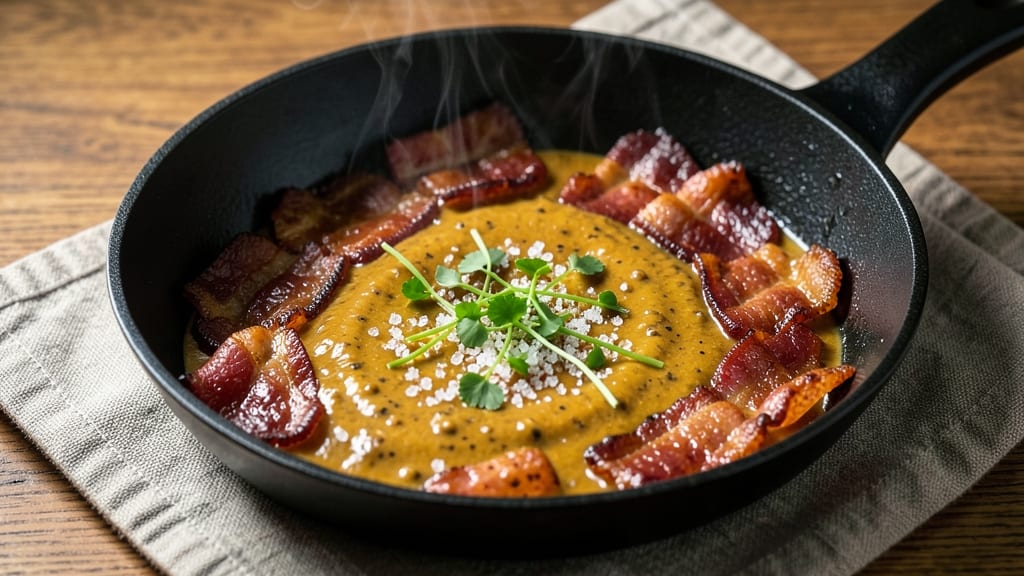
This bacon mustard sauce recipe transforms simple grilled chicken into a restaurant-worthy dish with its perfect balance of tangy, spicy, and smoky flavors.
The secret lies in cooking crispy bacon to render its rich fat, then combining it with sharp Dijon mustard and a touch of vinegar for brightness—creating a sauce that's both bold and versatile.
I developed this recipe after years of experimenting with glaze recipes, and it never fails to elevate any protein.
The sauce starts with a simple emulsion of bacon fat, mustard, and cream, then simmers until thickened just enough to cling beautifully to grilled chicken without being overly heavy. The key is patience—letting the flavors meld while keeping the sauce smooth and glossy.
This isn't just for chicken; it works equally well on burgers, sandwiches, or even as a dipping sauce for fries.
What you'll end up with is a sauce that's tangy from the mustard, slightly spicy from the vinegar, and rich from the bacon fat—all while maintaining a velvety texture.
The best part? It comes together in just 15 minutes with ingredients you likely already have on hand. No special equipment needed, just a saucepan and a whisk.
Store leftovers in an airtight container in the refrigerator for up to 5 days, or freeze for longer storage. The flavors actually improve over time, making this the perfect make-ahead sauce for busy weeknights or weekend entertaining. Let's get cooking!
Ingredients for bacon mustard sauce
Nine ingredients, bold flavors—this sauce is your secret weapon for restaurant-quality dishes.
| Ingredient | Amount | Notes |
|---|---|---|
| Thick-Cut Bacon 🥓 | 6 oz | Thick-cut for maximum fat render |
| Dijon Mustard 🍯 | ¼ cup | Sharp variety for tangy kick |
| Heavy Whipping Cream 🥛 | ¼ cup | Full-fat for velvety texture |
| Apple Cider Vinegar 🍎 | 1 tbsp | Brightens the sauce beautifully |
| Granulated Sugar 🍬 | 1 tbsp | Balances tangy flavors |
| Garlic Cloves 🧄 | 2 cloves | Minced for aromatic depth |
| Salt 🧂 | ½ tsp | Kosher or sea salt preferred |
| Black Pepper 🌶️ | ¼ tsp | Freshly ground for best flavor |
| Unsalted Butter 🧈 | 1 tbsp | For extra richness |
The bacon is non-negotiable here—thick-cut renders the most flavorful fat. Costco sells it in bulk, but any grocery store carries it. Cook it low and slow until crispy, then drain all but 2 tablespoons of that golden fat (that's where the magic happens). For the mustard, Amber Wave or Maille are my go-tos—they've got that perfect sharpness. The cream? Don't skimp on full-fat—it makes all the difference in that velvety texture. If you're in a rush, Trader Joe's sells pre-cooked bacon that saves time without sacrificing flavor.
No bacon? Smoked paprika plus a splash of liquid smoke can mimic that smoky depth, though nothing beats the real thing. Swap heavy cream for half-and-half if needed, but the sauce will be slightly lighter. For the vinegar, apple cider is ideal, but white wine vinegar works in a pinch. The sugar balances the tang—if you're watching sugar, reduce to 1 teaspoon. Garlic can be minced or pressed, but roasted garlic adds a sweet note if you're feeling fancy. And if you're out of Dijon, yellow mustard plus a pinch of sugar gets close.
This sauce keeps beautifully—pour it into a jar, cover with plastic wrap pressed right on the surface, and store in the fridge for up to 5 days. The flavors actually deepen overnight, making it perfect for meal prep. Freeze in ice cube trays for single-use portions—just thaw in the microwave for 20 seconds before using. A little goes a long way, so I usually make a double batch. Trust me, you'll want it on everything.
Why You'll Love This Recipe
- Fewer Ingredients, Bigger Payoff: I swear by this recipe because it’s the kind of sauce that makes you feel like a pro—just five ingredients, no weird substitutions. That thick-cut bacon? It’s the star, crisping up while you stir the Dijon and cream into something dangerously good. No chopping, no fuss, just melt-in-your-mouth magic.
- Sweet-Savory Balance: Here’s what sold me—the way the apple cider vinegar cuts through the richness of the cream, while the sugar (just a spoonful!) rounds out the Dijon’s sharpness. It’s tangy, it’s smoky, it’s addictive—like a hug for your taste buds, but with bacon.
- Dresses Up Anything: Between us, this sauce is my go-to for burgers, grilled chicken, or even mac and cheese. (Yes, even on a Tuesday night.) It’s the kind of versatile sauce that turns a simple meal into something special—no matter who you’re feeding.
- Doubles as Leftovers: Make a big batch, and you’ve got backup for next week. The flavor actually improves as it sits, deepening that smoky-sweet profile. Plus, it freezes like a dream—just reheat and drizzle. My lazy Sunday mornings thank me every time.
Step-by-step instructions for bacon mustard sauce
This tangy-spicy glaze transforms simple grilled chicken into a restaurant-worthy masterpiece.
Cook the Bacon Until Crispy
In a large skillet over medium heat, place the 6 oz thick-cut bacon and cook undisturbed for 5-6 minutes until the edges begin to crisp and the fat starts rendering. Here's the thing—resist the urge to flip or move it too soon. You want that fat to slowly release and create a rich base for your sauce.
Once the bacon is golden brown and crispy on one side, use tongs to flip it and cook the other side for another 4-5 minutes. Remove the bacon from the skillet and set it aside on a paper towel-lined plate, leaving the rendered fat in the pan. This bacon fat is pure flavor gold—don't drain it! You'll use it to build the sauce's rich foundation.
Build the Sauce Base with Mustard and Vinegar
Reduce the heat to medium-low and add the 1 tablespoon granulated sugar to the bacon fat. Stir for 30 seconds until the sugar begins to caramelize slightly, creating a subtle sweetness that will balance the tangy flavors. Here's where it gets good—add the 1 tablespoon apple cider vinegar and 0.25 cup Dijon mustard to the pan.
Stir vigorously with a wooden spoon, scraping up any browned bits from the bottom of the pan. These bits are packed with flavor—don't miss them! Let the mixture simmer gently for 2-3 minutes until it begins to thicken slightly. You're creating a velvety base that will carry all the rich flavors through the sauce.
Add Garlic and Butter for Depth
While the mustard-vinegar mixture simmers, mince the 2 cloves garlic into tiny pieces. Add them to the pan and cook for 30 seconds until fragrant but not browned—you want the garlic to perfume the sauce without becoming bitter. Then add the 1 tablespoon unsalted butter and stir until it melts completely.
This is the moment that matters: the butter adds richness that balances the sharp Dijon and vinegar. The sauce should now be smooth and slightly thickened. If it looks too thin, let it simmer for another 30 seconds to reduce slightly. The texture should coat the back of a spoon without being gluey.
Incorporate Cream and Season
Pour in the 0.25 cup heavy whipping cream and stir gently to combine. Let the mixture simmer for 1-2 minutes until it begins to thicken and the raw cream flavor disappears. This is where the sauce comes together—watch carefully so it doesn't curdle from too much heat.
Season with the 0.5 teaspoon salt and 0.25 teaspoon black pepper, then give it one final taste. You might want to add a pinch more salt or a splash of vinegar if you prefer it tangier. The sauce should now be glossy, thick, and perfectly balanced between sweet, tangy, and rich flavors.
Finish and Use Immediately
Remove the skillet from heat and crumble the cooked bacon directly into the sauce. Stir well to distribute the bacon pieces evenly throughout. The sauce is now ready to use—it's best served immediately while still warm, but you can keep it warm in a 150°F oven for up to 30 minutes if needed.
This sauce is a game-changer for grilled chicken, but it also works beautifully on pork chops, burgers, or even as a drizzle for roasted vegetables. The key is using it while it's warm—it thickens as it cools, so don't wait too long. You've just created a sauce that's equal parts tangy, spicy, and rich—perfect for elevating any dish!
Pro Tips For Making Bacon Mustard Sauce
- COOK BACON LOW AND SLOW: Thick-cut bacon needs patience—don’t rush it. Cook at 275°F (135°C) in the oven until the fat renders and the edges curl just right, about 20-25 minutes. Skillets get messy, but the oven keeps things tidy and ensures crispy perfection without burning.
- STRAIN THE FAT: After cooking the bacon, pour the rendered fat through a fine-mesh strainer into a heatproof container. Use it later to sauté the mustard and vinegar—it adds depth and cuts through the creaminess. (Yes, even if it looks greasy.)
- TEMPER THE CREAM: Warm the heavy cream gently before mixing it into the mustard-vinegar-bacon fat. Heat it to about 160°F (70°C) first—cold cream will curdle the sauce faster than you can say "disaster." A double boiler works, but a saucepan on low heat does too.
- SWEETEN THE DEAL: Taste the sauce before adding sugar—sometimes the apple cider vinegar already balances the mustard. If it’s too sharp, start with half the sugar called for, then adjust. The goal is a tangy-sweet harmony, not a dessert.
Best sauces and condiments for this recipe
Classic Pairings
This sauce is a match made in heaven with grilled chicken—the smoky, tangy flavors cut through the protein perfectly. I drizzle it generously over grilled chicken breasts or thighs before serving, letting it caramelize slightly in the last minute of cooking.
For extra decadence, brush it on pork chops during the final 5 minutes of grilling. 🍗
Burger Game-Changer
Transform a simple burger into a gourmet experience by slathering this sauce on all-beef patties right before serving. I like to add a thin layer of mayo first as a binder, then top with the bacon mustard sauce.
For a smoky twist, mix in 1 teaspoon smoked paprika into the sauce before applying. The sauce also works as a dipping sauce for crispy fries or onion rings.
Sandwich Superstar
Elevate your pulled pork sandwiches or Reuben-style sandwiches by using this sauce as a spread. I apply it generously to toasted rye bread before adding the meat, then top with sauerkraut and Swiss cheese.
For a chicken Caesar wrap, use the sauce instead of traditional Caesar dressing—it adds a smoky depth that complements the romaine beautifully. 🥪
Vegetable Drizzle
Don’t limit this sauce to meats—it’s fantastic on roasted Brussels sprouts or grilled asparagus. Toss the vegetables in the sauce during the last 2 minutes of roasting at 425°F to create a caramelized glaze.
For a baked potato bar, serve it as a tangy topping alongside sour cream and chives. The rich flavors also pair well with grilled corn on the cob—just brush it on after grilling.
Dipping Sauce
This sauce doubles as a versatile dipping sauce for fried chicken, mozzarella sticks, or even soft pretzels. I like to serve it warm in a small bowl with a wooden spoon for scooping.
For a spicy kick, add ½ teaspoon cayenne pepper to the sauce before serving. It’s also perfect for dipping fries—just let it cool slightly so it doesn’t melt the crispy exterior too quickly. 🍟
Breakfast Boost
Start your day with a bacon mustard glaze on pancakes or waffles. Drizzle it over fluffy buttermilk pancakes and top with maple syrup and extra bacon bits. For a savory breakfast, brush it on English muffins and add a fried egg and avocado.
The tangy-sweet contrast is surprisingly delicious—trust me, it’s a crowd-pleaser at brunch. 🥞
Nutrition facts
Frequently asked questions
Can I make this sauce without bacon? What's the best substitute?
The bacon fat is essential for that rich, smoky depth, but you can mimic it with 1 tablespoon smoked paprika + 1 teaspoon liquid smoke. For a vegetarian version, use 1 tablespoon olive oil plus 1 teaspoon smoked salt instead. The texture will be slightly lighter, but the tangy-mustard flavor will still shine through.
Why did my sauce turn out too thin or too thick?
Sauce consistency is all about timing and heat. If it's too thin, simmer uncovered for 2-3 more minutes to reduce. For a thicker texture, whisk in 1 teaspoon cornstarch mixed with 1 tablespoon water and cook for 1 minute. The sauce should coat the back of a spoon but still be pourable—not gluey.
How can I make this sauce spicier?
Add ½ teaspoon cayenne pepper or 1 teaspoon hot sauce (like Frank's RedHot) when you incorporate the cream. For a smoky heat, stir in ½ teaspoon chipotle powder with the mustard. Always taste as you go—you can adjust the heat level to your preference.
Can I make this sauce ahead of time?
Store it in an airtight container in the fridge for up to 5 days. The flavors actually deepen over time. Reheat gently in a saucepan over low heat, stirring occasionally, or microwave for 20-30 seconds. If it thickens too much, thin it with 1 teaspoon water or cream.
What's the best way to use this sauce on burgers?
Spread a thin layer on the inside of the bun before toasting, then add another generous layer on the top of the patty right before serving. For extra flavor, mix 1 teaspoon smoked paprika into the sauce before applying. The heat will help it caramelize slightly, creating a delicious crust on your burger.