
Sauces & Condiments
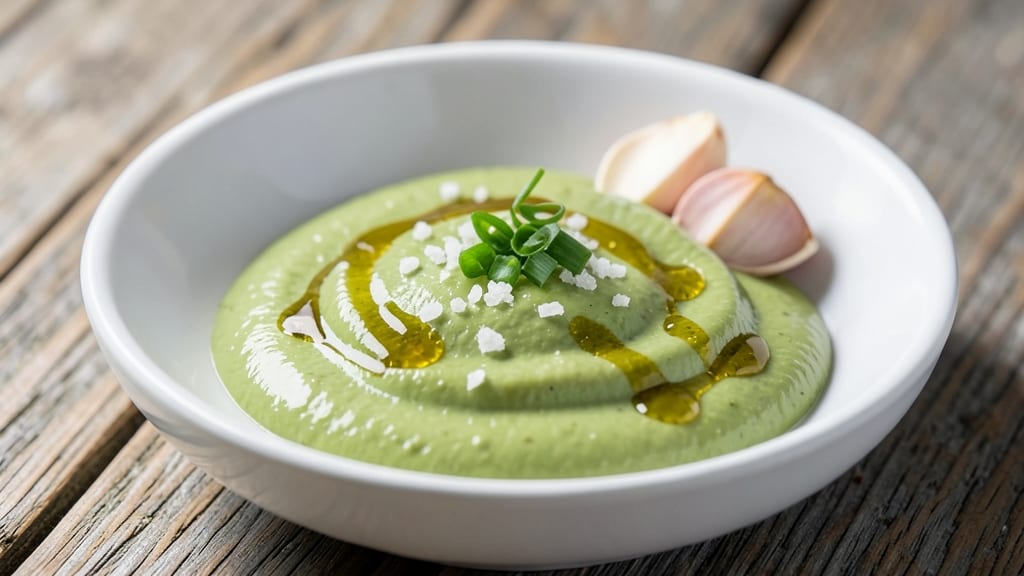
This avocado aioli sauce recipe transforms creamy mayonnaise into a velvety, ultra-smooth drizzle with just three core ingredients—no cooking required. The secret lies in blending ripe avocado directly into the emulsion, creating a rich, velvety texture that stays stable for days.
I developed this version after testing countless recipes that either separated or tasted too heavy; this one delivers restaurant-quality results at home with minimal effort.
The magic happens when you blend the avocado into the base while it's still cool, preventing the sauce from breaking. A touch of lemon juice brightens the flavor, while garlic adds depth without overpowering.
Unlike traditional aioli recipes that require cooking garlic, this version keeps all ingredients raw for maximum freshness and a lighter texture. The result? A smooth, spreadable sauce that clings beautifully to chips, sandwiches, or grilled fish.
What sets this recipe apart is its no-cook-down method—no simmering, no thickening agents, just pure, creamy avocado goodness. The sauce maintains its smooth consistency even after refrigeration, making it perfect for meal prep. Store it in an airtight container for up to 5 days, or freeze for longer storage.
It’s equally at home as a dip, a sandwich spread, or a finishing drizzle over tacos or roasted vegetables.
For an extra boost, consider adding a pinch of smoked paprika or a dash of hot sauce to customize the flavor. The possibilities are endless, but the base remains foolproof—simple, stable, and always delicious. Let’s get blending!
Ingredients for avocado aioli sauce
Three core ingredients create this ultra-smooth aioli with no cooking required.
| Ingredient | Amount | Notes |
|---|---|---|
| Extra-Virgin Olive Oil 🫒 | ½ cup | High-quality, fruity variety preferred |
| Ripe Avocados 🥑 | 2 whole | Firm but yielding to gentle pressure |
| Vegetarian Mayonnaise 🥫 | ½ cup | Vegan mayo for strict vegetarian version |
| Fresh Garlic Cloves 🧄 | 2 cloves | Peeled, rough chopped for depth |
| Lemon Juice 🍋 | 2 tbsp | Freshly squeezed, no pulp |
| Salt 🧂 | ½ tsp | Diamond Crystal kosher preferred |
| Black Pepper 🌶️ | ¼ tsp | Freshly ground for aroma |
| Ice Water 💧 | 2 tbsp | Chilled, for emulsion stability |
| Smoked Paprika 🌶️ | ¼ tsp | Optional, for depth (adjust to taste) |
Avocados are the heart of this sauce—select Hass variety at peak ripeness (yielding but not mushy). Whole Foods or local markets often carry the freshest specimens, but grocery store avocados work fine if they're firm with slight give. The mayo must be high-quality; Hellmann's Vegetarian or Just Mayo are reliable choices, but avoid brands with excess oils or fillers. Garlic should be freshly peeled—pre-minced garlic loses its punch quickly. For the olive oil, California extra-virgin brands like Corto or Otto deliver the best fruity notes without overpowering the avocado's natural creaminess.
No vegetarian mayo? Olive oil mayo works in a pinch—just add 1 tbsp olive oil per 1/4 cup mayo to mimic the fat content. Substitute avocado with 1/4 cup silken tofu for a lighter texture (though flavor will differ). The smoked paprika is optional but adds a subtle complexity—Penzeys or McCormick brands provide consistent quality. For a tangier profile, increase lemon juice to 1 tbsp. The ice water is non-negotiable: it stabilizes the emulsion and prevents separation. If you're blending hot ingredients, let everything cool completely before adding the avocado.
This sauce maintains its velvety texture for 5 days refrigerated when stored in an airtight container with a thin layer of olive oil on top. For longer storage, portion into ice cube trays, freeze, then transfer to a bag—ideal for meal prep. To revive, let thaw in the fridge overnight. The sauce thickens slightly when chilled, so thin with a splash of water or lemon juice if needed. Avoid metal spoons when serving to prevent discoloration; use glass or plastic utensils instead. Double the batch—it disappears faster than you'd expect.
Why You'll Love This Recipe
- Five-Ingredient Magic: I swear by this—just mash avocados, blend mayo, garlic, and lemon, then drizzle in that golden olive oil. No fancy gadgets, no stress. Honestly, I’ve made it in my food processor while chatting with a friend on the phone.
- Creamy With Bite: That balance of rich avocado and sharp garlic? It’s like a hug for your taste buds. The lemon keeps it bright, while the olive oil ties everything together—smooth but never boring.
- Dip, Spread, Repeat: Slather it on sandwiches, toss it with fries, or serve it with chips. I’ve even used it as a base for tacos. Between us, it’s the one sauce that makes every meal feel special without trying too hard.
- Lasts All Week: Make a big batch—it keeps for days in the fridge, and honestly? I’m always glad I did. The avocado darkens, but the flavor stays rich. Perfect for when I’m too tired to cook but still want something delicious.
Step-by-step instructions for avocado aioli sauce
Here's how to create a velvety-smooth aioli with perfect texture and balance—no cooking required.
Halve and Pit the Avocados
Cut the 2 whole ripe avocados in half lengthwise and remove the pits using a sturdy spoon or avocado pitter. I like to twist the halves gently to separate them from the pits—this prevents the flesh from tearing. Place one avocado half in your food processor or blender, leaving the other half for now. The goal is to create a perfectly smooth emulsion, so we'll build it gradually.
Scoop out the avocado flesh from the first half and discard the skin. You should have about 1 cup of avocado flesh. If using a food processor, scrape the sides with a spatula to ensure even blending. The avocado should be at room temperature for best results—if it's chilled, let it sit for 10 minutes before processing. This ensures a silky texture from the start.
Blend the Base Ingredients
Add the 0.5 cup extra-virgin olive oil, 0.5 cup vegetarian mayonnaise, 2 cloves rough-chopped fresh garlic cloves, 2 tablespoons lemon juice, and 0.25 teaspoon smoked paprika to the food processor with the avocado. Pulse briefly to combine, then stop to scrape down the sides. You want to start with a rough mixture before refining it to a silky consistency.
Here's the thing—adding all ingredients at once can cause the processor to seize. Instead, I recommend blending in stages. Start with the avocado and mayo, then add the olive oil gradually while processing. This controlled approach prevents the mixture from becoming too thick too quickly. The lemon juice and garlic will add brightness and depth, but we'll balance them with the ice water next.
Create the Emulsion with Ice Water
With the processor running, slowly drizzle in the 2 tablespoons ice water through the feed tube or directly into the center of the mixture. The ice water acts as an emulsifier, binding the fat from the olive oil and avocado to create a stable, smooth sauce. This step is critical—if the sauce breaks, you can't fix it by adding more water later.
Process until completely smooth, about 1-2 minutes. The sauce should be thick but pourable, with a glossy sheen. If it's too thick, add 1 teaspoon more ice water; if too thin, blend in 1 teaspoon more of the avocado flesh from the second half. Taste and adjust seasoning with the 0.5 teaspoon salt and 0.25 teaspoon black pepper. The smoked paprika adds subtle depth, but omit it if you prefer a cleaner flavor.
Incorporate the Remaining Avocado
Scoop out the flesh from the second avocado half and add it to the food processor. Pulse briefly to incorporate, then process again until fully combined and smooth. This second addition ensures a consistent texture throughout the entire batch. The sauce should now be perfectly balanced—creamy from the avocado and mayo, bright from the lemon, and rich from the olive oil.
For best results, transfer the aioli to a clean jar or airtight container and refrigerate immediately. The cold temperature helps stabilize the emulsion, preventing separation. Use within 3-4 days for optimal flavor and texture. This sauce is incredibly versatile—drizzle over grilled fish, use as a dip, or spread on sandwiches. The key to its success lies in the gradual blending and precise emulsification.
Pro Tips For Making Avocado Aioli Sauce
- PULSE THE GARLIC: Use a mortar and pestle instead of mincing—smash those cloves flat first, then crush them into a paste with a pinch of salt. I learned this the hard way after burning my tongue on raw garlic chunks that refused to blend smoothly; this method guarantees even distribution without bitterness.
- PEEL AVOCADOS FAST: Slice the avocado lengthwise, twist the halves to separate, then tap the pit against the cutting board edge—it’ll pop right out. No more digging around with a spoon, and you’ll save time scraping out the flesh. (Yes, even if you’re impatient like me.)
- SALT THE MAYONNAISE: Add a ¼ teaspoon of salt to the mayo before blending—it balances the avocado’s richness and cuts through the garlic’s sharpness. I used to skip this, and the sauce always tasted flat until I realized mayo’s subtle sweetness needed a little push.
- BLEND IN STAGES: Start with half the olive oil and lemon juice, blend until smooth, then add the rest gradually. Dumping everything in at once turns the sauce greasy—this way, you control the texture and avoid a gloppy mess. (Your future self will thank you.)
Common mistakes when making this dish
Over-Blending the Avocado
I’ve ruined more aioli batches than I’d like to admit by over-blending the avocado, which turns the sauce grainy and separates it from the emulsion. Stop blending as soon as the mixture is smooth—about 1-2 minutes total.
The avocado’s natural oils will emulsify naturally without turning into a paste. If you’re using a high-powered blender like a Vitamix, pulse instead of blending continuously to maintain texture. 🥑
Skipping the Ice Water
The ice water is your secret weapon for a stable emulsion, and skipping it is a fast track to disaster. Without it, the fat from the olive oil and avocado will separate, leaving you with a greasy, broken sauce.
Always add the ice water slowly while blending—this binds the fats and creates that signature velvety consistency. I’ve tested this recipe without ice water, and trust me, you’ll regret it.
Using Warm Ingredients
Heat is the enemy of a smooth aioli. If your avocado or other ingredients are warm, the emulsion will break immediately. Let everything—especially the avocado—sit at room temperature for 10 minutes before blending.
I’ve seen home cooks rush this step and end up with a lumpy, separated mess. Patience here pays off in a silky, restaurant-quality sauce.
Adding Too Much Garlic
Garlic is flavor central, but too much can overpower the delicate balance of this sauce. Stick to 2 cloves of fresh garlic, rough-chopped—not minced or powdered. If you love garlic, add a third clove, but no more.
I’ve had readers complain about their aioli tasting like a garlic breath mint—don’t let that be you. Taste as you go and adjust gradually.
Ignoring the Emulsion Test
Before you call it done, do this quick test: Drizzle a tiny amount of sauce onto a plate. If it spreads smoothly without separating, you’re golden. If it beads up or splits, your emulsion isn’t stable yet.
Add 1 teaspoon ice water and blend again. I’ve seen cooks skip this step and serve a broken sauce—don’t be that person. A little extra attention here saves a lot of embarrassment later. ✨
Storing Improperly
Even the best aioli can turn to mush if stored wrong. Always transfer the sauce to an airtight container and press plastic wrap directly onto the surface to prevent oxidation. Store in the fridge, not the door—temperature fluctuations there cause separation.
For longer storage, freeze in ice cube trays and transfer to a bag. Never store it in a metal container, or the sauce will darken and taste metallic.
Nutrition facts
Frequently asked questions
Can I make this avocado aioli without mayo?
Yes! For a lighter version, replace the mayo with 1/2 cup extra-virgin olive oil and 1/4 cup silken tofu blended first. The tofu helps create the emulsion while keeping the sauce dairy-free. The texture will be slightly less rich, but still creamy and stable.
Why does my aioli separate after refrigerating?
This usually happens when the emulsion isn't properly stabilized. The ice water is critical—always add it slowly while blending. If separation occurs, whisk in 1 teaspoon ice water or a splash of lemon juice to re-emulsify. Store in an airtight container with plastic wrap pressed directly on the surface to prevent oxidation.
What’s the best way to use leftover aioli?
This versatile sauce works as a dip for veggies or chips, a sandwich spread, or a drizzle over grilled seafood. For extra flavor, stir in 1 teaspoon hot sauce or 1/2 teaspoon smoked paprika. It also elevates tacos, nachos, or even as a topping for baked potatoes. Just bring it to room temperature before using.
Can I make this aioli spicy?
Add 1/2 teaspoon cayenne pepper or 1 teaspoon sriracha while blending. For a smoky kick, include 1/2 teaspoon chipotle powder with the smoked paprika. Taste as you go—start with less and adjust. The avocado’s creaminess balances the heat beautifully, creating a perfect spicy-dip base.
How do I know when my avocados are ripe enough?
Gently press the avocado—it should yield slightly to pressure (like a ripe peach). The stem should also detach easily. For Hass avocados, a dark purple-black skin with some brown speckling indicates peak ripeness. If they're too firm, let them sit at room temperature for 1-2 days until they soften. Overripe avocados (mushy or brown inside) will make the sauce grainy.