
Sauces & Condiments
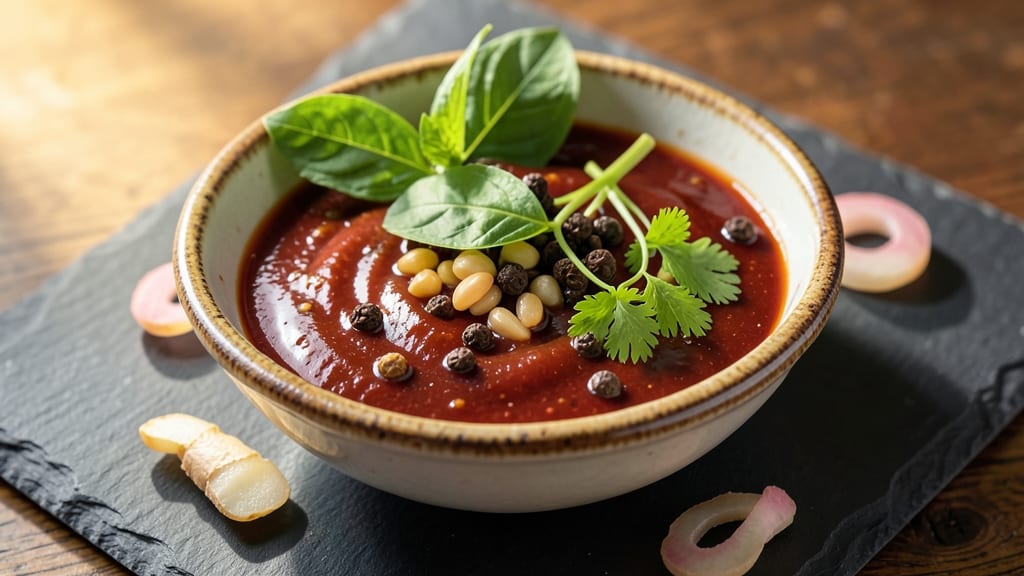
This Asian pepper sauce recipe transforms simple ingredients into a vibrant, tangy-sweet condiment that adds depth to any dish. The secret lies in balancing fresh herbs, Sichuan peppercorns, and a touch of garlic for that signature Asian heat.
I developed this sauce after craving something with bold flavor but no overwhelming spice—just a lingering, aromatic zing that elevates everything from stir-fries to noodles.
What sets this sauce apart is its versatility—it works as a marinade, dipping sauce, or finishing drizzle, and the ginger-vinegar base ensures it stays fresh for up to two weeks in the fridge.
The Sichuan peppercorns add a unique, tingling warmth, while the herbs keep it bright and complex. No need for complicated techniques; just blend, simmer, and taste as you go.
The result is a glossy, aromatic sauce with a perfect balance of heat, tang, and sweetness. It clings beautifully to rice, noodles, or grilled meats, infusing every bite with layers of flavor. Whether you're cooking for a crowd or prepping for meal prep, this sauce delivers restaurant-quality depth in minutes.
Best of all, it’s customizable—adjust the heat with more chili or mellow it with extra honey. Let’s make this sauce your new kitchen essential.
Ingredients for asian pepper sauce
Ten ingredients for a sauce that packs vibrant heat and aromatic zing into every drop.
| Ingredient | Amount | Notes |
|---|---|---|
| Fresh Cilantro Leaves 🌿 | 1 cup | Packed, stems removed |
| Fresh Thai Basil Leaves 🌿 | ½ cup | Bright green, stems removed |
| Sichuan Peppercorns 🌶️ | 1 ½ tbsp | Toasted for aromatic depth |
| Garlic Cloves 🧄 | 4 cloves | Peeled, minced for infusion |
| Fresh Ginger Root 🌿 | 1 ½ tbsp | Grated, organic preferred |
| Rice Vinegar 💧 | ½ cup | Seasoned, mild flavor |
| Honey 🍯 | 2 tbsp | Wildflower for floral notes |
| Red Chili Flakes 🌶️ | 1 tbsp | Adjust for preferred heat |
| Sesame Oil 🫒 | 1 tbsp | Toasted, nutty aroma |
| Diamond Crystal Kosher Salt 🧂 | ½ tsp | Fine grain preferred |
The Sichuan peppercorns are non-negotiable here—they bring that signature tingling warmth. Buy them whole from an Asian market or bulk spice shop like Penzeys, not pre-ground. Toast them in a dry pan for 30 seconds until fragrant (that's when they unlock their full magic). Fresh ginger and garlic? Organic is best—they hold their flavor longer. I grab mine from the produce section at Whole Foods or my local Asian grocery. For the herbs, cilantro and Thai basil should be bright green with no wilt—Trader Joe's has great pre-washed options if you're short on time.
No Sichuan peppercorns? Substitute with a mix of black pepper and cayenne—but you'll lose that signature numbing heat. Swap the honey for agave if you prefer a cleaner taste, though I find the floral notes of honey balance the vinegar perfectly. Running low on sesame oil? Avocado oil works in a pinch, though it won't have that nutty aroma. The rice vinegar should be seasoned—Kikkoman or Mushroom Town are my go-tos. For extra heat, add a dash of gochugaru (Korean chili flakes) instead of regular red chili flakes. And if you're feeling fancy, toast your garlic and ginger with the peppercorns—they'll infuse the oil with incredible depth.
This sauce keeps beautifully. Store it in a clean glass jar with a tight seal in the fridge for up to 2 weeks. The flavors actually improve over time as everything melds. For longer storage, freeze in ice cube trays—perfect for adding just the right amount of heat to any dish. I make a double batch every time—one for immediate use, one to stash in the freezer. It reheats perfectly, though I often use it straight from the fridge for that freshest flavor. The sesame oil will separate slightly—just give it a quick shake before using.
Why You'll Love This Recipe
- No-Fuss Blender Magic: I swear by this recipe—just toss those cilantro, Thai basil, Sichuan peppercorns, and garlic into a blender with a splash of oil, and boom. No straining, no fuss, just pure, vibrant sauce in under five minutes. Honestly, my blender’s never been happier.
- Numbness Meets Brightness: That Sichuan peppercorn heat isn’t just spicy—it’s tingly, with a lingering warmth that makes your mouth buzz. Then the fresh ginger and garlic cut through it, while the Thai basil adds that sweet, licoricey depth. It’s the kind of sauce that makes you reach for seconds without thinking.
- Dresses Any Meal: Slather it on grilled chicken, toss it with noodles, or drizzle it over a simple stir-fry. Even my picky college-aged son asked for more when I served it with takeout rice bowls. Between us, it’s the one sauce I keep in the fridge for everything.
- Lasts a Week (Seriously): I make a big batch on Sundays, and it’s still bright and flavorful by Saturday. The ginger and garlic mellow out just enough to stay interesting, not funky, and the oil keeps it from drying out. Plus, it’s cheap—just a handful of pantry staples and fresh herbs. My wallet and taste buds win.
Step-by-step instructions for vibrant Asian pepper sauce
This sauce builds layer by layer—herbs, heat, and umami—until every spoonful sings with complexity.
Toast the Sichuan Peppercorns for Depth
Heat a dry skillet over medium-low heat and add the 1.5 tablespoons Sichuan peppercorns. Toast them for 1-2 minutes until they release their signature citrusy aroma and begin to darken slightly. You'll notice tiny sparks—this is normal and signals their oils are activating.
Transfer the toasted peppercorns immediately to a mortar and pestle or small spice grinder. Crush them as finely as possible—this releases their numbing, tingling compounds. The goal is to create a fine powder that will dissolve completely into the sauce. If you don't have a mortar, a clean coffee grinder works in a pinch, but pulse just until powdered.
Infuse Garlic and Ginger with Sesame Oil
In the same skillet (no need to clean it—the peppercorn oils add character), heat the 1 tablespoon sesame oil over low heat. Add the 4 minced garlic cloves and 1.5 tablespoons grated ginger root, stirring constantly for 30-45 seconds until fragrant but not browned. Fresh ginger should smell bright and citrusy, while garlic should perfume the air without burning.
Remove from heat and let the aromatics cool slightly—this prevents them from cooking the herbs later. The oil will carry their flavors into the sauce, creating a fragrant base. I like to press the garlic and ginger with the back of a spoon to release any trapped juices before adding them to the mortar with the crushed peppercorns.
Blend Herbs and Spices into a Paste
Add the crushed Sichuan peppercorns to the mortar with the garlic-ginger mixture. Using a pestle or spoon, mash everything into a rough paste. Then add the 1 cup packed cilantro leaves and 0.5 cup Thai basil leaves, stirring vigorously to incorporate their bright, herbal notes. The mixture should become vibrant green and take on a fresh, slightly peppery aroma.
If using a blender, pulse the herbs and spices in batches with 1-2 tablespoons of rice vinegar until you achieve a smooth, chunky paste—think of it as a herbaceous pesto. The texture should be thick enough to cling to the back of a spoon but still pourable. Here's the thing—don't over-blend or you'll lose the fresh herb brightness that makes this sauce special.
Emulsify with Honey and Vinegar
In a small saucepan, combine the herb-spice paste with the 0.5 cup rice vinegar and 2 tablespoons honey. Place over low heat and stir constantly for 3-4 minutes until the mixture begins to simmer gently. The vinegar will help dissolve the peppercorn oils while the honey adds natural sweetness to balance the heat.
Add the 1 tablespoon red chili flakes and 0.5 teaspoon Diamond Crystal kosher salt, stirring until fully incorporated. Taste and adjust—you might want to add a pinch more salt to enhance the flavors or a splash more vinegar if it's too thick. The sauce should coat the back of a spoon with a glossy sheen and have a vibrant red-green hue from the herbs and chili.
Simmer and Strain for Silky Perfection
Continue simmering the sauce for an additional 2-3 minutes until it thickens slightly and the raw herb flavors meld into a cohesive blend. The texture should be like a thin, vibrant syrup—thick enough to coat but still pourable. If it's too thick, whisk in 1-2 teaspoons of water to reach your desired consistency.
Strain the sauce through a fine-mesh sieve into a clean bowl, pressing gently on the solids to extract every last drop of flavor. The resulting sauce should be smooth with just a hint of texture from the herbs. Let it cool to room temperature before serving—this allows the flavors to fully develop and the heat to mellow slightly. Store in an airtight container in the refrigerator for up to 1 week, or freeze for 3 months.
Pro Tips For Making Asian Pepper Sauce
- Toast the Sichuan peppercorns: I learned this the hard way—raw Sichuan peppercorns just add bitterness without that signature numbing heat. Lightly toast them in a dry pan over medium heat for 2-3 minutes until fragrant, then crush them with the side of a knife or mortar and pestle. This step unlocks their flavor and aroma, making the sauce actually sing.
- Wash herbs last: Thai basil and cilantro wilt fast, and damp leaves turn your sauce into a sad, watery mess. Keep them dry until you’re ready to chop, then rinse them quickly under cold water, shake off excess moisture, and pat them just until they’re damp—not dripping. This keeps the sauce vibrant and thick, not diluted.
- Use a mortar and pestle: I was skeptical until I tried it—blending Sichuan peppercorns, garlic, and ginger in a food processor just makes a paste that loses texture and heat. A mortar and pestle lets you crush the peppercorns coarsely (for that tingling bite) while grinding the garlic and ginger into a fine, fragrant paste. It’s more work, but the sauce tastes like it was made by someone who actually cares.
- Add oil first: Sichuan peppercorns and garlic burn faster than you’d think. Start by heating 1 tablespoon of neutral oil (like peanut or vegetable) in your pan before adding the crushed peppercorns and garlic. This gives them a head start on toasting without turning bitter, and the oil helps distribute their heat evenly through the sauce. (Yes, even if you’re impatient like me.)
Common mistakes when making great asian pepper sauce
Over-toasting Peppercorns
Watch those Sichuan peppercorns like a hawk—they burn faster than you think! Toasting them for more than 2 minutes turns their citrusy aroma into bitter, acrid smoke. I've ruined batches by walking away for "just a second" while they darkened to black.
The moment you see tiny sparks, remove them immediately. These peppercorns are delicate—treat them like fresh herbs, not hardy spices. 🌶️
Skipping the Toasting Step
Never skip toasting the peppercorns—this is where their magic happens! Raw Sichuan peppercorns taste like bland, woody pepper. The toasting step activates their essential oils, creating that signature numbing, citrusy warmth.
I once made sauce with untoasted peppercorns and ended up with a bland, one-dimensional condiment that lacked any depth. Trust me, the 30-second toast makes all the difference.
Using Pre-Ground Peppercorns
Pre-ground Sichuan peppercorns are a flavor disaster. Their oils evaporate quickly, leaving you with dust that lacks the complex aroma and numbing heat. I've tried store-bought versions and they always taste flat.
Buy whole peppercorns and grind them fresh—it takes 2 minutes with a mortar and pestle and transforms the sauce completely. If you must use pre-ground, add double the amount, but expect compromised results.
Burning Garlic and Ginger
Low heat is your friend when cooking garlic and ginger—medium heat will burn them in seconds. I've charred batches that tasted bitter and acrid. Keep the heat at low and stir constantly for 30-45 seconds max.
The moment they turn golden, remove them immediately. Fresh aromatics should smell bright and citrusy, not smoky or burnt. This step sets the foundation for your sauce's flavor profile.
Over-Blending the Herbs
Pulse those herbs just until combined—they should remain slightly chunky, not completely smooth. I've turned bright, vibrant cilantro into a green paste that tasted like grass clippings. The texture should resemble pesto with visible herb flecks.
Over-blending destroys the fresh, bright qualities that make this sauce special. Think "chunky" not "smooth" when blending your herbs. ✨
Ignoring the Straining Step
Straining might seem optional, but it's what transforms your sauce from rustic to restaurant-quality. Unstrained sauce contains fibrous herb stems that create a gritty texture. I've served unstrained versions that felt like eating a herb salad rather than a silky condiment.
Use a fine-mesh sieve and press gently on the solids to extract every last drop of flavor. The effort is worth the smooth, professional finish. 💫
Nutrition facts
Frequently asked questions
Can I make this sauce without Sichuan peppercorns?
Yes, but you'll lose that signature tingling warmth! Substitute with 1 teaspoon black pepper plus ½ teaspoon cayenne pepper for heat. For the best results, toast the black peppercorns first to activate their oils. The sauce will still be flavorful but won't have that unique numbing sensation.
How spicy is this sauce and can I adjust the heat?
The heat level is moderate—think of it as a gentle kick rather than a fiery burn. For milder heat, reduce the red chili flakes to ½ tablespoon or swap them for ½ teaspoon gochugaru (Korean chili flakes). For extra heat, add ½ teaspoon of chili crisp or an extra ¼ teaspoon of cayenne. Always taste as you go!
What are the best ways to use this sauce?
This versatile sauce works as a marinade for grilled meats, a dipping sauce for spring rolls, or a finishing drizzle over noodle bowls. Try mixing 1 tablespoon with 2 tablespoons soy sauce and 1 teaspoon honey for an instant stir-fry sauce. It also elevates simple dishes like rice bowls or grilled vegetables beautifully. Store-bought versions can't compare!
Why does my sauce look separated after refrigeration?
The sesame oil will naturally separate from the vinegar base when refrigerated. This is completely normal! Just give it a good shake before using. For a smoother texture, whisk in 1 teaspoon of warm water to help emulsify it. The flavors will blend right back together—no need to worry!
Can I make this sauce without fresh herbs?
Fresh herbs are key for that vibrant flavor, but you can use 1 tablespoon dried cilantro and 1 teaspoon dried Thai basil in a pinch. Rehydrate the dried herbs in 2 tablespoons warm water for 5 minutes before using. The sauce will be less bright but still delicious. For best results, though, always use fresh herbs when possible!