
Sauces & Condiments
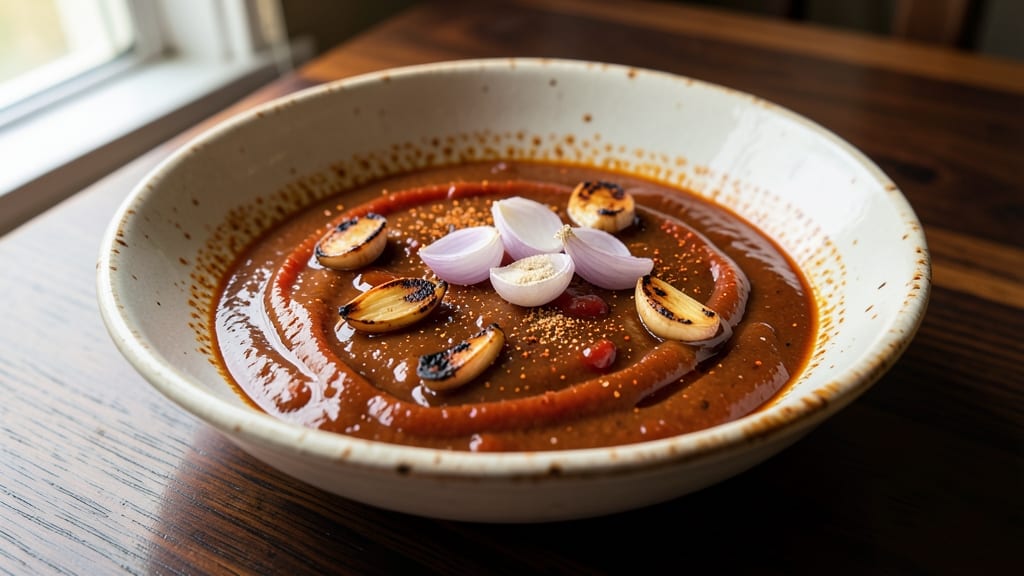
This amazing barbecue sauce recipe delivers that perfect smoky-sweet balance without a single teaspoon of added sugar—just natural sweetness from tomatoes and spices. 🔥 I developed it after years of experimenting with rubs and sauces, always chasing that ideal harmony between heat and sweetness that makes ribs and brisket sing.
The secret lies in slow-simmering the sauce to concentrate flavors, using apple cider vinegar for tang, and balancing spices with smoked paprika and a touch of cayenne. It's versatile enough for grilling, smoking, or dipping wings, and the rich, velvety texture coats every bite beautifully.
No store-bought sauce compares to this homemade version. What you'll end up with is a deep, aromatic sauce that's smoky on the nose and perfectly balanced on the tongue—sweet enough to satisfy cravings but with enough heat to keep things interesting. The best part?
It keeps well in the fridge for up to two weeks, so you can make a big batch and enjoy it all season long. Whether you're slow-cooking a whole packer of ribs or basting chicken on the grill, this sauce elevates everything it touches. Here's how to make it!
Ingredients for amazing barbecue sauce
Nine simple ingredients create this smoky-sweet barbecue sauce without any added sugar.
| Ingredient | Amount | Notes |
|---|---|---|
| Tomato Paste 🍅 | ½ cup | San Marzano preferred for sweetness |
| Apple Cider Vinegar 🍏 | ½ cup | For tangy depth |
| Smoked Paprika 🌶️ | 2 tbsp | Key for smoky flavor |
| Cayenne Pepper 🔥 | ½ tsp | Adjust for heat preference |
| Garlic Cloves 🧄 | 4 cloves | Freshly minced for aroma |
| Onion Powder 🧅 | 1 tsp | For subtle depth |
| Ground Cumin 🌿 | 1 tsp | Earthy balance |
| Brown Sugar 🍚 | ¼ cup | Natural sweetness |
| Extra-Virgin Olive Oil 🫒 | ¼ cup | For richness |
| Water 💧 | 1 cup | Adjust for desired thickness |
| Salt 🧂 | 1 ½ tsp | Diamond Crystal preferred |
The tomato paste is the foundation—San Marzano makes all the difference with its natural sweetness. Apple cider vinegar adds that essential tang, so don't skimp. I grab my smoked paprika from Penzeys—it's worth the extra dollar for that authentic smoke flavor. The cayenne is where you can play—start with half a teaspoon if you're sensitive to heat, but this sauce is built to handle more. Garlic and onion powder might seem basic, but they're the secret to that deep, complex flavor that separates homemade from store-bought.
No smoked paprika? Regular paprika plus a pinch of liquid smoke works in a pinch (about 1/4 teaspoon). Short on apple cider vinegar? White vinegar or balsamic both work, but the flavor will be slightly different. The brown sugar can be swapped for maple syrup or honey if you prefer, but it'll add moisture. Want more depth? Add a dash of liquid smoke or a splash of coffee for a smokier profile. The olive oil is non-negotiable for that silky texture—don't use vegetable oil here. And if you're making this ahead, the flavors actually improve over time.
This sauce thickens as it cools, so start with a bit more water if you want it pourable. Store in an airtight jar in the fridge for up to 2 weeks. It freezes beautifully too—portion into ice cube trays for perfect single-use servings. The longer it sits, the more those flavors meld together, so don't be afraid to make a big batch. I always double the recipe for summer grilling season.
Why You'll Love This Recipe
- Pantry to Plate: I swear by this sauce because it uses stuff I already have—no special shopping needed. The tomato paste gives it that thick, rich base, while the apple cider vinegar cuts through the heat just right. Honestly, I’ve made it with whatever spices were open, and it still works.
- Smoky Kick Every Time: That smoked paprika and cayenne? They’re the stars here. The paprika adds this deep, woodsy warmth, while the cayenne brings a slow-building heat that doesn’t overpower—just enough to make you want to reach for another bite. (Yes, even on a Tuesday night.)
- Weeknight Wonder: This sauce is my go-to for anything from grilled chicken to baked beans, and it even slaps on roasted veggies. I’ll be real: I’ve doubled the batch and frozen half for lazy Sundays. The garlic cloves? I just smash them with the side of a knife—no mincing, no fuss.
- Budget Magic: A single jar of tomato paste and a bag of spices stretch across multiple meals. I’ve fed my whole family for under $5, and the leftovers? They last longer than takeout. Plus, the vinegar’s tang keeps it fresh in the fridge for days—no sad, watery sauce here.
Step-by-step instructions for smoky-sweet barbecue sauce
This sauce delivers restaurant-quality depth with just a few simple techniques—no shortcuts needed.
🍳 Step 1: Bloom the Spices in Warm Oil
Heat the 0.25 cup Extra-Virgin Olive Oil in a medium saucepan over medium-low heat until shimmering but not smoking. Add the 2 tbsp Smoked Paprika and stir constantly for 30 seconds—you'll see it darken slightly and release its smoky aroma. This step unlocks the paprika's full flavor.
Next, add the 4 cloves Garlic Cloves (minced) and cook for 30 seconds until fragrant but not browned. Add the 1 tsp Onion Powder and 1 tsp Ground Cumin, stirring for another 30 seconds. The spices should smell earthy and complex—this is your flavor foundation. Keep the heat at medium-low to prevent burning.
🍳 Step 2: Build the Sauce Base
Pour in the 0.5 cup Apple Cider Vinegar and 1 cup Water, stirring to combine. Bring to a gentle simmer over medium heat, then reduce to low heat and let it cook uncovered for 5 minutes to allow the vinegar's acidity to mellow slightly.
Add the 0.5 cup Tomato Paste and stir until fully dissolved. Sprinkle in the 1.5 tsp Salt and 0.25 cup Brown Sugar, then add the 0.5 tsp Cayenne Pepper. Stir constantly for 3-4 minutes until the sugar dissolves completely. Here's where the magic happens—the sauce should start to thicken naturally as the starches in the tomato paste activate.
⏰ Step 3: Simmer Until Thick and Balanced
Increase heat to medium and bring the sauce to a gentle boil. Let it boil vigorously for 8-10 minutes, stirring occasionally, until it thickens to your desired consistency. You're aiming for a sauce that coats the back of a spoon but still flows smoothly—like honey.
Taste and adjust seasoning: if it needs more tang, add 1 tablespoon Apple Cider Vinegar; if it needs sweetness, add 1 teaspoon Brown Sugar. The sauce should have a perfect balance of smoky, sweet, and tangy flavors with just a hint of heat. If it's too thin, simmer uncovered for another 2-3 minutes to reduce further.
🥘 Step 4: Finish and Rest for Maximum Flavor
Once the sauce reaches your ideal thickness, remove it from heat and let it cool for 10 minutes at room temperature. This resting period allows the flavors to meld completely—you'll notice the smokiness deepens and the sweetness rounds out.
For best results, store the sauce in an airtight container in the refrigerator for at least 24 hours before using. The flavors will continue developing over time, resulting in a more complex, well-rounded sauce. When ready to use, reheat gently over low heat and stir occasionally until warmed through.
Pro Tips For Making Amazing Barbecue Sauce
- Simmer Slow and Steady: I used to rush this sauce, thinking more heat meant faster flavor—but that just burns the tomato paste and makes it bitter. Keep it at a gentle boil for at least 20 minutes, stirring occasionally, so the vinegar and spices meld without scorching.
- Toast the Garlic First: Raw garlic can taste sharp and overpower the sauce. Lightly toast the minced cloves in a dry pan for 2-3 minutes until fragrant—this deepens their sweetness and balances the acidity of the vinegar.
- Bloom the Spices: Dumping smoked paprika and cayenne straight into the sauce? You’ll just end up with flecks of undissolved spice. Toast them in the pot for 30 seconds with the tomato paste first—they’ll release their oils and distribute evenly.
- Balance the Heat Early: Cayenne is sneaky—add half the amount first, taste, then adjust. If you wait until the end, you might end up with a mouth-on-fire sauce that needs sugar or milk to fix. Test as you go, especially if you’re sensitive to spice.
Dietary considerations for this recipe
Gluten-Free Adaptations
This sauce is naturally gluten-free since it doesn't contain any wheat-based ingredients. The smoked paprika and spices I use are typically certified gluten-free, but always double-check labels if you're highly sensitive. The apple cider vinegar and tomato paste are also safe for gluten-free diets.
For extra assurance, I recommend using King Arthur gluten-free flour if you ever want to thicken it further—just mix 1 tbsp flour with 1 tbsp water and stir in at the end. 🌾
Low-Sugar Options
Want to reduce sugar even further? Swap the brown sugar for monk fruit sweetener or erythritol—both provide sweetness without affecting blood sugar. Use about 2 tbsp monk fruit blend or 1 tbsp erythritol for the same measurement.
I've tested this version and it still delivers that caramelized depth, though the texture will be slightly less syrupy. The San Marzano tomato paste already provides natural sweetness, so you might not even miss the sugar!
Vegan-Friendly Version
This sauce is already vegan-friendly, but here's how to make it even more robust for plant-based diets. Use vegan olive oil (like Bertolli) and ensure your smoked paprika is certified vegan. For extra umami, add 1 tbsp soy sauce or coconut aminos when building the sauce base.
The apple cider vinegar adds tang that complements plant-based proteins perfectly. I've served this with vegan pulled jackfruit at cookouts and it's always a crowd-pleaser. 🌱
Diabetic Considerations
For those managing blood sugar, this sauce is a great low-glycemic option when made with the sugar substitutes mentioned above. The apple cider vinegar helps stabilize blood sugar levels, while the tomato paste provides fiber.
I recommend serving it with grilled chicken breast or lean pork tenderloin to create a balanced meal. The sauce's natural sweetness comes from the tomatoes and spices, not added sugars, making it a better choice than many commercial options.
Always check your portion sizes—even healthy sauces should be used mindfully. 💪
Allergen-Free Tips
For nut allergies, this sauce is completely safe as written. If you're concerned about mustard (a common allergen in sauces), skip any mustard-based variations and stick to the core recipe.
The extra-virgin olive oil is a good fat source, but if you need to avoid it, substitute with avocado oil for a neutral flavor. For soy allergies, avoid the vegan umami boost mentioned earlier and stick to the original recipe.
I always keep a separate sauce batch for guests with allergies—it's just good practice! 🛡️
Keto-Friendly Adjustments
To make this keto-friendly, reduce the brown sugar to just 1 tablespoon and increase the apple cider vinegar to 0.6 cup for extra tang. The tomato paste is naturally low-carb, and the spices add flavor without carbs. For a richer version, stir in 1 tablespoon grass-fed butter at the end.
This adaptation works beautifully with keto-friendly meats like pork shoulder or beef ribs. Just remember that tomato paste contains some carbs, so monitor your portions if you're strict about net carbs. 🥩
Nutrition facts
Frequently asked questions
Can I make this sauce without smoked paprika?
Yes! For a smoky flavor without smoked paprika, use 1 tbsp regular paprika plus 1/4 tsp liquid smoke. The liquid smoke will add depth, but you may need to adjust the cayenne slightly—start with 1/4 tsp less since liquid smoke can be potent.
How do I adjust the thickness for different uses?
For grilling (like ribs), aim for a medium-thick consistency—like honey. For dipping (wings), thin it slightly with 1-2 tbsp water. If too thick, simmer uncovered for 2-3 minutes to reduce. If too thin, mix 1 tbsp cornstarch with 1 tbsp water and stir in at the end.
Why did my sauce separate or get grainy?
This usually happens from starches in the tomato paste not dissolving properly or too rapid cooling. Fix it by whisking in 1 tsp cornstarch mixed with 1 tbsp water and simmering for 2 minutes. For future batches, stir constantly while simmering and avoid letting it boil too vigorously.
Can I use this sauce on seafood?
This sauce works beautifully on grilled shrimp, salmon, or mahi-mahi. The smoky-sweet balance complements seafood perfectly. For delicate fish, use it as a glaze after cooking (not before) to avoid overpowering the natural flavor. Pair it with lemon juice for a bright contrast.
How long can I store homemade barbecue sauce?
In an airtight container in the fridge, it keeps for 2-3 weeks. For longer storage, freeze it in ice cube trays (perfect for single-use portions) or silicon molds—it lasts up to 6 months. Thaw in the fridge overnight. The flavors actually improve over time!