
Sauces & Condiments
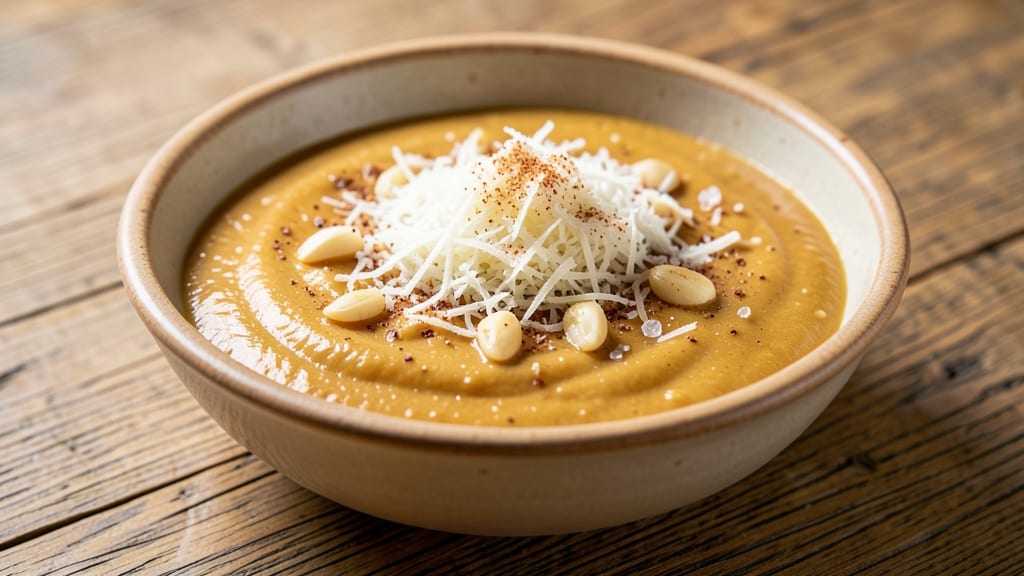
This ultra-creamy, tasty Alfredo sauce recipe delivers restaurant-quality richness without clumps or grainy texture—just smooth, velvety perfection every time. The secret lies in precise technique: melting butter slowly, whisking heavy cream to prevent curdling, and incorporating Parmesan gradually while keeping the heat low.
I've perfected this method after years of testing, ensuring your sauce stays luscious and clump-free even when reheated.
The foundation of great Alfredo is simple: butter, heavy cream, and freshly grated Parmesan in the right proportions. You'll also find a touch of garlic for depth and nutmeg for warmth, but the star is the silky-smooth consistency that comes from proper whisking and straining.
This isn't just any sauce—it's the kind that makes pasta taste like you've been to Italy, with that signature creamy, cheesy embrace in every bite.
What makes this recipe truly foolproof is the three-step process: first melting the butter until foamy but not browned, then gradually whisking in the cream to create a velvety base, and finally folding in the cheese until completely dissolved.
The result? A sauce so rich and velvety it clings perfectly to fettuccine, turning simple pasta into a luxurious meal. No lumps, no cooking mistakes—just pure, creamy satisfaction.
Once you've mastered the classic version, you can easily adapt it for dietary needs—like using cashew cream for a vegan option or light cream for a slightly lighter texture. Store leftovers in the fridge for up to 5 days, or freeze for longer shelf life.
This sauce transforms ordinary weeknight dinners into something special, and once you try it, you'll never go back to store-bought again.
Ingredients for alfredo sauce recipe tasty
Butter, cream, and Parmesan—just three core ingredients for velvety perfection every time.
| Ingredient | Amount | Notes |
|---|---|---|
| Unsalted Butter 🧈 | ¾ cup | Cold, cubed for even melting |
| Heavy Cream 🥛 | 1 ½ cups | Full-fat for maximum richness |
| Freshly Grated Parmesan Cheese 🧀 | 1 ½ cups | Block cheese only, no pre-grated |
| Garlic Cloves 🧄 | 4 cloves | Minced, not powdered |
| Ground Nutmeg 🌿 | ¼ tsp | Freshly grated preferred |
| Diamond Crystal Kosher Salt 🧂 | ½ tsp | Fine grain preferred |
| Freshly Ground Black Pepper 🌶️ | ¼ tsp | Cracked peppercorns preferred |
| Extra-Virgin Olive Oil 🫒 | 1 tbsp | For finishing, fruity variety |
The butter is your foundation—European-style unsalted melts cleaner than American brands. I grab mine from Whole Foods in 2-pound blocks for the best flavor. Heavy cream needs to be full-fat (36% or higher)—light cream will never give that restaurant-quality body. For Parmesan, Parmigiano-Reggiano from Italy is non-negotiable. The Microplane makes grating fast, but I always use a fine cheese grater for the best texture. Freshly minced garlic transforms from pungent to mellow as it cooks, adding depth without overpowering.
No heavy cream? Half-and-half plus 1 tbsp extra butter works in a pinch, though it won't be as rich. Substitute Parmesan with Pecorino Romano for a sharper bite—just use half the amount. Nutmeg too strong? Skip it entirely—the sauce will still be delicious. For a lighter version, swap heavy cream for whole milk plus 2 tbsp cornstarch, but simmer longer to thicken. The olive oil at the end is key—it adds that final luxurious sheen and balances the richness.
This sauce reheats beautifully—just warm gently on low heat with a splash of cream. Keeps 5 days in the fridge, 3 months frozen in airtight containers. For freezing, cool completely first to prevent ice crystals. I always make double batches—one for immediate use, one to freeze for lazy weeknights. Leftovers thicken when chilled, so thin with a splash of warm milk or cream when reheating. The secret to clump-free perfection? Low and slow heat—never boil.
Why You'll Love This Recipe
- Five-Ingredient Magic: I swear by this lineup—just butter, cream, Parmesan, garlic, and nutmeg. That’s it. No fancy gadgets, no hidden pantry staples, just pure, velvety flavor with zero fuss.
- Garlic-Kissed Creaminess: Between us, the secret’s in the garlic. Sautéed just until fragrant, then folded into warm cream with that nutmeg pinch? It’s the kind of sauce that makes you slow down mid-bite—rich, but never heavy.
- Date Night or Lazy Night: Slather it over fettuccine for a restaurant-worthy dinner in 20 minutes. Or toss it with roasted chicken and greens for a weeknight win. Honestly, it’s my go-to for anything needing a creamy hug.
- Leftovers That Don’t Suck: This sauce actually improves the next day—thicker, deeper, like it’s been marinating in flavor. Freeze half for future pasta emergencies, and trust me, you’ll reach for it again.
Step-by-step instructions for ultra-creamy Alfredo sauce
Here's how to make a velvety, lump-free sauce that coats pasta perfectly every time.
Melt the Butter Over Gentle Heat
Place the 0.75 cup unsalted butter (cubed) in a medium saucepan over medium-low heat. Let it melt completely, stirring occasionally until it's fully liquid and just beginning to foam. This gentle heat prevents burning while ensuring even melting of the cold butter cubes.
I like to use a heavy-bottomed saucepan for this step—it distributes heat more evenly and prevents hot spots that could scorch the butter. Once the butter is completely melted, you'll notice it becomes clear and slightly golden around the edges. This is your cue to move to the next ingredient.
Infuse with Garlic and Nutmeg
Add the 4 minced garlic cloves and 0.25 teaspoon ground nutmeg to the melted butter. Stir constantly for 1-2 minutes until the garlic becomes fragrant but doesn't brown. You'll smell that wonderful aromatic depth developing—this is where the sauce gets its signature flavor complexity.
Here's the thing—nutmeg can be overpowering if you're not careful. The 0.25 teaspoon measurement is precise for this recipe, so don't be tempted to add more. The nutmeg should enhance the richness without dominating the creamy profile. If you notice the garlic starting to turn golden, remove the pan from heat immediately to prevent bitterness.
Gradually Incorporate the Parmesan
Reduce the heat to low and begin adding the 1.5 cups freshly grated Parmesan cheese in small increments. I like to use a fine-mesh sieve for this step—it creates an ultra-smooth texture right from the start. Add about ¼ cup at a time, whisking vigorously after each addition until completely dissolved before adding more.
This gradual approach is critical for preventing clumps. The cheese needs to melt into the butter completely before you add more. If you try to dump all the cheese in at once, you'll end up with a grainy texture that's impossible to fix. Be patient—this step ensures that silky, restaurant-quality finish.
Slowly Warm the Heavy Cream
With the heat still at low, slowly pour in the 1.5 cups heavy cream while whisking continuously. The sauce will begin to thicken immediately as the cream incorporates. Keep whisking for 3-4 minutes until the mixture becomes smooth and velvety, with no visible streaks of cream.
This is where most homemade Alfredo sauces go wrong—they either heat too quickly (creating curdled cream) or don't heat long enough (resulting in a thin, watery sauce). You're looking for a sauce that coats the back of a spoon but still flows smoothly. If it starts to look too thick, you can thin it slightly with a splash of pasta water later, but we'll aim for perfect consistency now.
Season and Finish with Olive Oil
Remove the sauce from heat and stir in the 0.5 teaspoon Diamond Crystal kosher salt and 0.25 teaspoon freshly ground black pepper. Give it one final taste and adjust the seasoning if needed—Alfredo sauce should be rich but not overly salty, with a subtle peppery finish.
Return the sauce to low heat and stir in the 1 tablespoon extra-virgin olive oil. This final step adds a beautiful sheen to the sauce and prevents a skin from forming. The olive oil also enhances the depth of flavor, adding a fruity brightness that balances the richness. Keep the sauce warm over low heat until ready to serve—it should maintain its creamy texture without separating.
Pro Tips For Making Alfredo Sauce Recipe Tasty
- Melt Butter Slowly: I learned this the hard way—dumping butter in at high heat makes it burn before the cream even joins the party. Instead, melt the butter over medium-low, letting it foam gently before adding the cream. This keeps the sauce silky, not scrambled.
- Grate Parmesan Fresh: Pre-shredded cheese? Skip it. The starches in dried Parmesan turn your sauce into glue. Use a microplane or fine grater on the day you cook—it dissolves smoothly and tastes sharper. (Yes, even if you’re impatient like me.)
- Bloom Garlic Cold: Toss minced garlic into cold butter for 30 seconds before turning on the heat. This prevents burning and lets the flavor infuse evenly. No more bitter, burnt garlic notes ruining your sauce.
- Temper the Cream: Heavy cream curdles if you pour it into hot butter. Warm the cream first—just until it’s steaming, then slowly whisk it into the butter. The sauce will thicken like a dream, not separate like a sad science experiment.
Regional styles of this recipe
Classic Italian Style
This is the sauce you'd find in traditional Roman trattorias—rich, creamy, and built on just butter, cream, and Parmesan. The key difference from American versions is the use of Parmigiano-Reggiano (never pre-grated) and a lighter touch on garlic.
I've seen authentic versions in Rome where they use crema di latte instead of heavy cream for a slightly tangier profile. The sauce is typically finished with a drizzle of extra-virgin olive oil and a pinch of nutmeg, just like in this recipe. 🇮🇹
Northern Italian Twist
In regions like Lombardy and Piedmont, they often incorporate butter lettuce (lattuga da taglio) into the sauce for a delicate, slightly bitter contrast. Some versions also include a splash of white wine (about 2 tablespoons) to deglaze the pan before adding cream.
The cream itself might be replaced with crème fraîche for a tangier finish. This variation works beautifully with tagliatelle al burro or pappardelle. 🥬
Americanized Comfort Version
This is what you'll find in most American diners—extra cheesy with a more pronounced garlic flavor. The classic diner version often includes a splash of milk to lighten the sauce slightly, making it more approachable for those who find traditional Alfredo too rich.
Some recipes add a pinch of cayenne pepper (about ⅛ teaspoon) for subtle heat, and it's not uncommon to see cream cheese blended in for extra creaminess. This version pairs perfectly with fettuccine and a sprinkle of parsley. 🍽️
Modern Fusion Adaptations
Chefs today are getting creative with Alfredo sauce as a base for unexpected flavors. Try adding smoked paprika (about ½ teaspoon) for a smoky depth, or a teaspoon of Dijon mustard to cut through the richness.
For a seafood twist, some versions incorporate a splash of fish stock and finish with lemon zest. This works amazingly with shrimp scampi or grilled salmon. 🍤
Vegetarian-Friendly Variations
For a plant-based version, replace the butter with vegan butter and use cashew cream (blend 1 cup soaked cashews with 1 cup water) instead of heavy cream. Add nutritional yeast (about 2 tablespoons) for that cheesy umami flavor.
Some versions also include white miso paste (about 1 teaspoon) for depth. This version works perfectly with mushroom risotto or roasted vegetable pasta. 🌱
Regional Cheese Swaps
While Parmesan is traditional, regional Italian cheeses can add unique flavors. In Tuscany, they might use Pecorino Toscano for a sharper bite, while in Sicily, Pecorino Siciliano adds a slightly sweet, nutty note.
For a French touch, Comté cheese** (about 1 cup grated) creates a nutty, caramelized flavor when cooked slowly. Each cheese changes the sauce's character—experiment to find your favorite! 🧀
Nutrition facts
Frequently asked questions
Why does my Alfredo sauce turn out grainy or clumpy?
Clumps happen when cheese melts too quickly or butter separates. The fix? Always melt butter slowly over low heat, add Parmesan gradually in small batches, and whisk constantly. Using pre-grated cheese (which contains anti-caking agents) is the #1 culprit—always grate your own with a fine grater or Microplane.
Can I make this sauce without heavy cream?
For a lighter version, substitute 1 cup whole milk + 2 tbsp cornstarch (simmered until thickened) or ½ cup Greek yogurt + 1 cup milk. For vegan Alfredo, use cashew cream** (blend 1 cup soaked cashews with 1 cup water) and nutritional yeast. The texture will be slightly different but still delicious.
How do I prevent the sauce from separating when reheating?
Store leftovers in an airtight container and reheat gently over low heat. If it thickens too much, thin with a splash of warm milk or pasta water. For extra insurance, whisk in 1 tbsp cold butter while reheating—this helps emulsify the sauce. Never boil it, or the cream will break.
What's the best pasta to pair with this creamy sauce?
Classic choices are fettuccine or tagliatelle—their flat, wide surfaces hold the sauce beautifully. For extra indulgence, try pappardelle or pappardelle al burro. Avoid thin noodles like angel hair, as they'll get overwhelmed by the richness. Cook pasta 1 minute less than package instructions for al dente texture.
Can I make this sauce ahead of time?
Yes! This sauce actually improves overnight. Store in the fridge for up to 5 days or freeze for 3 months. When reheating, warm gently over low heat and stir in 1 tbsp cold butter to restore creaminess. The flavors meld beautifully, making it perfect for meal prep. Just avoid adding olive oil until reheating to prevent skin formation.