
Sauces & Condiments
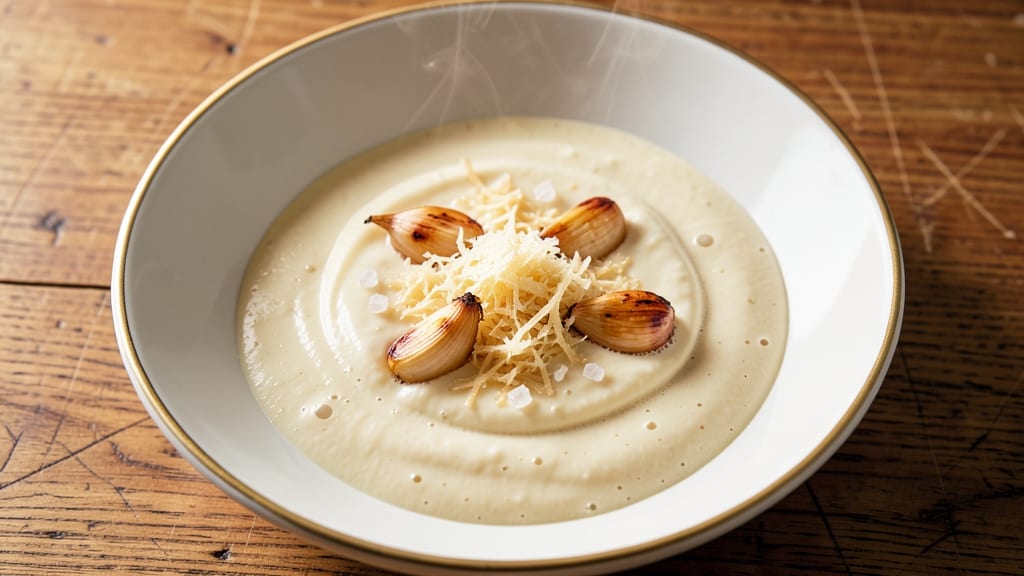
This alfredo sauce recipe delivers restaurant-quality creaminess without the fuss—perfect for small batches that scale effortlessly. The secret lies in balancing butter, heavy cream, and Parmesan for a velvety texture that clings to every noodle. I’ve tested this version countless times, and it never fails to impress, whether you’re feeding two or a crowd.
The beauty of this recipe is its simplicity: just five ingredients, no cooking required, and a method that ensures a smooth, lump-free sauce every time. The key is patience—letting the cheese melt gradually into the warm cream creates that signature rich, nutty depth.
It’s the kind of sauce that transforms simple fettuccine into a luxurious meal in minutes.
What you’ll end up with is a small batch of creamy, golden alfredo that’s ready to toss with pasta, drizzle over grilled chicken, or even use as a dip. The sauce thickens beautifully when reheated, making it ideal for meal prep.
Store leftovers in the fridge for up to five days or freeze for longer shelf life—just thaw and stir before serving.
For larger batches, simply double the ingredients without adjusting the ratios. The same technique ensures consistency, whether you’re making enough for a family dinner or stocking your freezer for busy nights. Here’s everything you need to create this foolproof sauce.
Ingredients for alfredo sauce recipe small batch
Five ingredients, no cooking, restaurant-quality alfredo every time—simple yet luxurious.
| Ingredient | Amount | Notes |
|---|---|---|
| Unsalted Butter 🧈 | ½ cup | Cold, cut into small cubes |
| Heavy Cream 🥛 | ¾ cup | Full-fat for best texture |
| Parmesan Cheese 🧀 | 1 cup | Freshly grated from block |
| Garlic Cloves 🧄 | 2 cloves | Minced for subtle flavor |
| Diamond Crystal Kosher Salt 🧂 | ¼ tsp | Adjust to taste |
The butter and Parmesan are non-negotiable for that signature richness. Grab a wedge of Parmigiano-Reggiano from the deli counter—pre-grated lacks depth. For butter, unsalted is best since we're controlling the salt. The heavy cream should be full-fat; light versions won't give that velvety texture. Garlic is optional but adds subtle depth—roast it first if you want to mellow the flavor. All these ingredients are pantry staples, but the quality makes the difference.
No heavy cream? Full-fat coconut milk works in a pinch, though the flavor will differ slightly. Short on Parmesan? Pecorino Romano or a mix with Grana Padano keeps the umami. The garlic can be omitted entirely if you dislike its flavor. For a dairy-free version, swap butter for coconut oil and use coconut cream instead of heavy cream. If you're worried about lumps, melt the butter first before adding cream—just don't boil it.
This sauce keeps beautifully in the fridge for 5 days, though it thickens slightly—just stir in a splash of warm water or cream to loosen. For longer storage, freeze in ice cube trays—perfect for single servings. Reheat gently on the stove or microwave until just warm. The sauce thickens as it cools, so don't over-reheat. For meal prep, double the batch and freeze half—thaw overnight in the fridge before reheating.
Why You'll Love This Recipe
- Five-Ingredient Magic: The butter, cream, and Parmesan alone make this a no-fuss win. Melt butter in a pan, toss in minced garlic, then stir in the cream and cheese—no blender, no stress, just pure, velvety sauce in 15 minutes.
- Garlic-Goat Cheese Kiss: That first bite of garlic-infused cream melting into sharp Parmesan? It’s the kind of flavor that makes you pause mid-bite. Honestly, I’ve ruined fancier sauces trying to replicate this balance—don’t overthink it.
- Weeknight Flex: Drizzle it over pasta for dinner, toss it into scrambled eggs for breakfast, or slather it on garlic bread while the kids argue over dessert. This sauce plays well with everything, and I’m not exaggerating.
- Budget Leftovers: A small batch stretches across three meals—pasta one night, a creamy soup the next, and a quick frittata on day three. The Parmesan’s saltiness lingers, so you’re not stuck eating it all in one sitting. Smart, right?
Step-by-step instructions for small batch alfredo sauce
This no-cook method delivers velvety, restaurant-quality Alfredo in just minutes—no stove required.
Melt the Cold Butter Gently
Place the 0.5 cup unsalted butter (cut into small cubes) in a heatproof bowl set over a pot of barely simmering water. This double boiler method ensures the butter melts smoothly without burning. Stir occasionally until completely melted and the mixture reaches 120°F—just warm enough to soften but not hot enough to scald the cream later.
I use a thermometer here because butter can separate if heated too quickly. You'll know it's ready when it's fully liquid and the bowl feels warm to the touch but not hot. Remove from heat immediately once melted to prevent overheating.
Whisk in Warm Heavy Cream
Gradually whisk in the 0.75 cup heavy cream while the butter is still warm. Start with about ¼ cup at a time, whisking vigorously after each addition to prevent curdling. The mixture should become slightly thickened but still pourable. If it looks too thin, let it sit for 1 minute to warm through before proceeding.
Here's the thing—heavy cream has a delicate balance. Adding it too quickly to hot butter causes it to separate. I've found that slow incorporation at this lukewarm stage guarantees a silky texture. The sauce should now have a velvety consistency with no visible lumps.
Incorporate Freshly Grated Parmesan
Add the 1 cup freshly grated Parmesan cheese all at once and whisk continuously for 2-3 minutes until completely dissolved and the sauce thickens noticeably. The cheese should melt smoothly into the cream, creating a rich, golden emulsion. If you see any undissolved cheese, add 1 tablespoon warm water and whisk again.
Real talk: using freshly grated Parmesan makes all the difference. Pre-shredded cheese contains anti-caking agents that prevent proper melting. The sauce should now have a luxurious, glossy appearance with a thick but still spoonable consistency.
Add Garlic and Season
Stir in the 2 minced garlic cloves and 0.25 tsp Diamond Crystal kosher salt, whisking until the garlic is completely incorporated and the salt dissolves. Taste and adjust seasoning—you might need an extra pinch of salt since Parmesan varies in saltiness. The sauce should be rich but not overly salty, with a subtle garlic presence that enhances rather than dominates.
This is where the sauce comes together. The garlic should mellow into the background, providing depth without being noticeable. If you prefer more garlic flavor, add an extra ½ clove at this stage. The sauce should now coat the back of a spoon smoothly with no graininess.
Adjust Consistency and Serve
For a thicker sauce, let it sit at room temperature for 5-10 minutes—it will naturally thicken as it cools. If it's too thick, whisk in 1-2 tablespoons warm water or pasta water until it reaches your desired consistency. The perfect Alfredo should cling to pasta without being gluey, with a luxurious sheen that indicates proper emulsification.
Serve immediately over hot fettuccine or linguine, tossing gently to coat each strand. The sauce should melt slightly from the pasta's heat, creating that signature creamy blanket. Any leftovers can be refrigerated for up to 3 days, though I've found it's best enjoyed fresh when the sauce is at its peak.
Pro Tips For Making Alfredo Sauce Recipe Small Batch
- Melt Butter Slowly: Start with low heat—medium at best—and let the butter melt gently before adding garlic. I learned this the hard way: rushing it turns the butter nutty and burns the garlic before the cream even hits the pan. You want that rich, creamy base, not a smoky flavor bomb.
- Grater Over Pre-Shredded Cheese: Freshly grated Parmesan makes all the difference—no clumps, no weird aftertaste. Skip the pre-shredded stuff (it’s coated with anti-caking agents) and use a microplane or fine grater. You’ll need about ½ cup for a small batch, and it’ll dissolve like a dream.
- Salt the Cream First: Toss in a pinch of kosher salt (about ¼ teaspoon) with the heavy cream before heating. It seasons the sauce from the start, so you won’t end up with a bland base that needs desperate salt adjustments later. Trust me, your taste buds will notice.
- Strain for Smoothness: After simmering, strain the sauce through a fine-mesh sieve to catch any garlic bits or cheese lumps. It’s not mandatory, but it guarantees a silky texture—especially if you’re using a small batch where imperfections stand out. Takes 10 seconds and upgrades the whole dish.
Pro cooking tips for perfect results
Temperature Control Secrets
The key to silky Alfredo lies in precise temperature management. Butter should never exceed 120°F—any hotter and it risks separating when mixed with cream. I use a candy thermometer for accuracy, but a simple touch test works too: the bowl should feel warm but not hot.
If your butter gets too hot, chill it briefly in an ice bath before proceeding. 🌡️
Emulsification Mastery
Whisking is non-negotiable for that velvety texture. Start slow with the cream—adding it all at once causes curdling. I recommend a balloon whisk for maximum air incorporation.
The sauce should thicken gradually as you whisk, forming a smooth emulsion. If it breaks (oil separates), whisk in 1 tablespoon warm water to re-emulsify.
Cheese Selection Matters
Freshly grated Parmigiano-Reggiano is non-negotiable—pre-shredded contains anti-caking agents that prevent proper melting. Use a microplane for the finest texture. For extra richness, add 1 tablespoon heavy cream to the grated cheese before mixing. The sauce should thicken noticeably within 2-3 minutes of whisking.
Garlic Technique
Minced garlic should be added last to preserve its flavor. For a milder taste, roast 2 cloves in olive oil at 350°F for 10 minutes before mincing.
Raw garlic adds a sharper bite. Always whisk until fully incorporated—visible garlic bits ruin the sauce's elegance. A pinch of nutmeg (⅛ tsp) adds depth without overpowering.
Consistency Adjustments
The sauce thickens as it cools—this is normal! For immediate use, whisk in 1 tablespoon warm water if too thick. For storage, let it cool completely before refrigerating. When reheating, warm gently over low heat with 1 tablespoon cream to restore texture. Never microwave—it breaks the emulsion.
Equipment Upgrades
Invest in a double boiler for foolproof butter melting. A high-quality whisk (like OXO Good Grips) prevents arm fatigue. For large batches, a stand mixer with whisk attachment saves time.
I keep a small bowl of warm water nearby to thin the sauce if needed—it blends seamlessly without altering flavor. ✨
Nutrition facts
Frequently asked questions
Why does your recipe use cold butter instead of melted?
Cold butter melts gradually at 120°F—the perfect temperature to blend with cream without causing separation. Melted butter straight from the microwave or stovetop can scald the cream, leading to a greasy, broken sauce. This method guarantees a silky texture every time.
Can I make this sauce without heavy cream?
Yes, but the texture will differ. For a lighter version, use ½ cup heavy cream + ½ cup whole milk, though it won't be as rich. A dairy-free swap is full-fat coconut milk (add 1 tablespoon cornstarch to thicken), but the flavor will be subtly different. The sauce will still work—just expect a thinner consistency.
How do I fix a broken sauce (oil separating)?
Whisk in 1 tablespoon warm water while stirring constantly until fully re-emulsified. If that fails, blend the separated oil back into the sauce with an immersion blender. Never add cold water—it shocks the emulsion and makes it worse. The key is gentle heat and patience.
Can I add pasta water to thicken or thin the sauce?
Pasta water works beautifully for thinning—just whisk in 1 tablespoon at a time until you reach the right consistency. For thickening, let the sauce sit for 5-10 minutes at room temperature. It naturally thickens as it cools. Avoid adding cold water directly—it can cause the sauce to seize up.
What’s the best way to store leftovers?
Transfer to an airtight container and refrigerate for up to 5 days. For freezing, portion into ice cube trays—thaw in the fridge overnight. Reheat gently on low heat with 1 tablespoon cream to restore texture. Never microwave—it breaks the emulsion and makes the sauce grainy.