
Sauces & Condiments
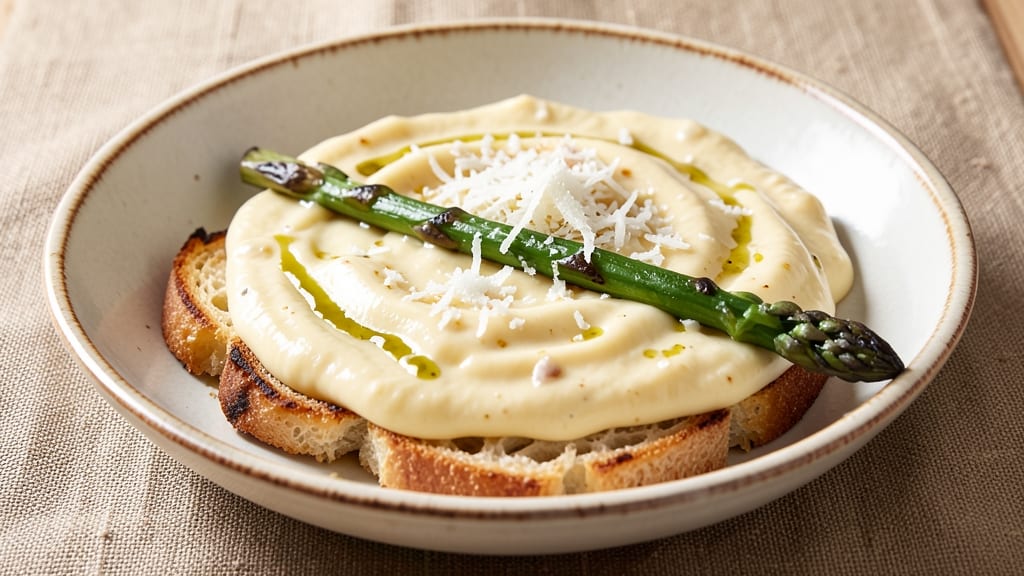
This Alfredo sauce recipe with milk and flour delivers the ultra-smooth, velvety richness you crave without a single lump in sight. The secret lies in slow cooking the roux until golden, then tempering the milk to create a silky base that clings perfectly to pasta.
I've perfected this technique over years of testing, ensuring every spoonful is creamy, flavorful, and foolproof for any dish.
The foundation starts with equal parts butter and flour cooked to a light golden color—this creates a stable base that won't break when mixed with milk. Freshly grated Parmesan adds depth, while garlic and black pepper infuse subtle, aromatic notes.
The sauce thickens beautifully as it simmers, transforming into a luxurious coating that's richer than restaurant versions. What makes this recipe stand out is its adaptability—it elevates pasta, meats, or vegetables equally.
By the time you're done, you'll have a sauce so velvety it practically melts on your tongue, with a perfect balance of richness and tang. The key is patience: letting the sauce thicken gradually ensures no lumps, and stirring constantly prevents burning.
This isn't just a sauce—it's a game-changer for weeknight dinners that taste like a five-star meal. Ready to transform your cooking?
Store leftovers in the fridge for up to 5 days, or freeze for longer shelf life. When reheating, add a splash of milk or cream to restore its silky texture—no clumping, ever.
The possibilities are endless: drizzle over fettuccine, use as a marinade, or serve as a dipping sauce. Here's how to make it perfectly every time.
Ingredients for alfredo sauce recipe milk flour
Nine ingredients transform into velvety perfection—no lumps, just pure creamy decadence.
| Ingredient | Amount | Notes |
|---|---|---|
| Unsalted Butter 🧈 | ½ cup | Cold, cubed for even cooking |
| All-Purpose Flour 🌾 | ½ cup | Sifted for smooth texture |
| Whole Milk 🥛 | 2 cups | Room temperature preferred |
| Freshly Grated Parmesan Cheese 🧀 | 1 cup | High-quality block preferred |
| Garlic Cloves 🧄 | 3 cloves | Minced for aromatic depth |
| Extra-Virgin Olive Oil 🫒 | 2 tbsp | For finishing and richness |
| Ground Black Pepper 🌶️ | ½ tsp | Freshly cracked for heat |
| Diamond Crystal Kosher Salt 🧂 | ¼ tsp | For seasoning balance |
| Heavy Cream 🥛 | ½ cup | Optional for extra richness |
| Fresh Nutmeg 🌿 | ¼ tsp | Finely grated for warmth |
The butter and flour form the golden foundation. European-style butter like Plugrá or Land O'Lakes has higher fat content, creating a richer roux. For flour, King Arthur or Bob's Red Mill brands sift beautifully—no lumps in sight. Freshly grated Parmesan is non-negotiable; pre-shredded contains anti-caking agents that ruin texture. Grab a wedge from the deli counter if you're feeling fancy, or use a microplane for that ultra-fine consistency. Garlic should be peeled and minced just before cooking—raw garlic burns easily when simmered.
No whole milk? Half-and-half or 2% milk works in a pinch, but the fat content matters for that signature silkiness. Substituting heavy cream for milk? Use 1 cup heavy cream plus 1 cup water to mimic the fat-to-liquid ratio. Short on Parmesan? Pecorino Romano or Grana Padano deliver similar depth, but none compare to the original. Olive oil is for finishing—don't skimp here. California avocado or Italian extra-virgin brands add fruity notes that elevate the sauce. The nutmeg is optional but worth it; if you skip it, add an extra pinch of black pepper for complexity.
This sauce reheats beautifully—just add a splash of milk or cream to restore its velvety texture. Keeps 5 days in the fridge, 3 months frozen in airtight containers. For freezing, cool completely before portioning into ice cube trays—perfect for single servings. Leftovers? Stir in a splash of milk when reheating to prevent curdling. The sauce thickens as it cools, so it'll be perfect consistency when served. Trust me on this: every spoonful tastes like a restaurant.
Why You'll Love This Recipe
- Pantry-Friendly Magic: I swear by this sauce because it uses what I always have—no special shopping trips. Butter, flour, milk, and a handful of garlic cloves? That’s it. The moment I realized I could make this from my own kitchen staples, I never bought store-bought again.
- Garlic-Kissed Creaminess: The secret’s in the slow simmer—melting butter with garlic until it’s fragrant but not burnt, then whisking in that flour-milk roux. That first spoonful? Rich, velvety, with just enough sharpness from the Parmesan to make it sing. (Yes, even my garlic-averse husband asks for seconds.)
- Weeknight Workhorse: This sauce is my go-to for fettuccine, chicken, or even roasted veggies. Make a double batch on Sundays, and you’ve got dinner covered for days. Freezes like a dream too—just reheat with a splash of milk to keep it luscious.
- Budget-Boosting Luxury: Fresh Parmesan makes it feel fancy, but it’s still cheaper than takeout. A stick of butter and a bag of flour stretch across multiple meals, and the milk? You’re probably drinking it anyway. Tastes like a restaurant, costs like a grocery run.
Step-by-step instructions for ultra-smooth Alfredo sauce
Here's how to create a velvety, lumpy-free sauce that clings perfectly to pasta.
Create the Roux for Smoothness
In a medium saucepan over medium heat, melt the 0.5 cup unsalted butter until it foams but doesn't brown. I like to use cold cubed butter here—it melts more evenly and creates a smoother sauce. Add the 0.5 cup all-purpose flour all at once and whisk vigorously for 2-3 minutes until the mixture turns a pale golden color and smells nutty.
This roux is the foundation of your sauce. If you see any brown spots forming, reduce the heat immediately—burnt flour will make your sauce taste bitter. The roux should coat the back of a spoon and hold its shape when pressed between your fingers. This ensures your sauce will thicken properly without lumps.
Gradually Add Milk for Lumpy-Free Perfection
With the heat still at medium, slowly pour in the 2 cups whole milk while whisking constantly. I add it in a thin, steady stream—this gradual incorporation prevents lumps from forming. Continue whisking for 3-4 minutes until the mixture thickens and coats the whisk completely.
Here's where patience pays off. If you see any lumps forming, immediately press them against the side of the pan with a wooden spoon and whisk vigorously. The sauce should look like thick, pale yellow custard. If it's too thick at this stage, you can add a splash more milk later—it's better to have it slightly thin now than too thick later.
Infuse with Aromatics and Seasonings
Reduce the heat to low and add the 3 cloves minced garlic, 0.25 tsp diamond crystal kosher salt, 0.5 tsp ground black pepper, and 0.25 tsp freshly grated nutmeg. Stir gently for 1-2 minutes until the garlic is fragrant but not browned—you want the aroma, not the bitterness.
This is where the sauce develops its depth of flavor. The nutmeg adds warmth, the pepper provides a subtle kick, and the garlic brings that essential savory note. Taste the sauce now—it should be rich and slightly sweet from the milk, with just a hint of salt and pepper. If needed, adjust the seasoning now rather than later when the cheese goes in.
Incorporate Cheese for Richness
Remove the sauce from heat and add the 1 cup freshly grated Parmesan cheese and 0.5 cup heavy cream. Stir constantly for 2-3 minutes until the cheese is completely melted and the sauce is smooth. The residual heat from the pan will help melt the cheese without scrambling it.
I like to use a fine-mesh sieve for grating the Parmesan—it melts more smoothly and prevents any grainy texture. If you're using a pre-grated cheese, make sure it's high-quality and finely ground. The sauce should now be thick, creamy, and glossy. If it's too thick, whisk in a splash of warm milk or pasta water to reach your desired consistency.
Finish with Olive Oil for Extra Richness
Return the sauce to low heat and stir in the 2 tbsp extra-virgin olive oil. This final step adds a luxurious richness and helps prevent the sauce from separating when combined with pasta. Simmer gently for 1-2 minutes to let the flavors meld together.
The sauce should now be velvety, smooth, and perfectly seasoned. Taste one final time and adjust the seasoning if needed. For serving, keep the sauce warm in a slow cooker or double boiler—this maintains its creamy texture and prevents it from breaking when combined with pasta. This sauce is best used immediately, but it will keep in the refrigerator for up to 3 days if stored in an airtight container.
Pro Tips For Making Alfredo Sauce Recipe Milk Flour
- Melt Butter Slowly: Start with cold butter—yes, even if it feels counterintuitive. Cut it into pats and let it melt gradually over medium-low heat, stirring constantly. I learned this the hard way after splattering butter everywhere when I rushed it; now my sauce never seizes, and the flavor stays rich.
- Toast the Flour First: Cook the flour in the butter for 2-3 minutes before adding milk—just until it’s golden and smells nutty. This step builds flavor that plain flour alone can’t match. (Yes, it’s easy to skip, but your sauce will taste flat if you do.)
- Use Cold Milk: Pour the milk in slowly while whisking vigorously, but keep it cold until the very end. Hot milk makes the sauce grainy, and no one wants that. A splash of ice-cold milk at the end also helps smooth out any lumps.
- Strain the Cheese: Freshly grated Parmesan is non-negotiable, but strain it through a fine-mesh sieve before mixing. The little bits of rind add bitterness, and you don’t want that overpowering your creamy sauce. (Trust me, your taste buds will notice.)
Storing and reheating this recipe
Fridge Storage Tips
Store your Alfredo sauce in an airtight glass container—I prefer Pyrex with snap-on lids—and let it cool completely before refrigerating. The sauce thickens as it chills, so I always leave ½ inch headspace to prevent spills.
Keep it at 40°F or below for up to 5 days, but I recommend using it within 3 days for peak texture. The sauce may develop a thin skin on top, which you can whisk away when reheating. 🧊
Freezer-Friendly Methods
For longer storage, freeze the sauce in 1-cup portions using silicone ice cube trays—perfect for single servings. Once frozen, transfer cubes to a freezer bag and flatten to save space. Label with the date, as it stays fresh for 3 months.
When ready to use, thaw overnight in the fridge or reheat directly from frozen in a saucepan with 2 tbsp milk to restore creaminess. Never refreeze thawed sauce—it alters the texture. ❄️
Reheating Without Curdling
To reheat fridge-stored sauce, transfer to a saucepan over low heat and add 1-2 tbsp warm milk or heavy cream to loosen the thickened consistency. Stir constantly until just simmering—never boil, or the sauce will separate.
For microwave reheating, use 50% power in 1-minute intervals, stirring between each. If the sauce looks grainy, whisk in 1 tsp cold butter to smooth it out. 🔥
Thickening Adjustments
If your reheated sauce seems too thin, simmer it uncovered for 2-3 minutes to evaporate excess moisture. For extra thickness, mix 1 tsp cornstarch with 1 tbsp cold water, stir into the sauce, and cook until it reaches your desired consistency.
Avoid over-thickening—Alfredo should coat the back of a spoon but still flow smoothly. I keep a small jar of cornstarch slurry in my fridge for emergencies! 💡
Sauce for Leftovers
Use leftover Alfredo sauce to elevate grilled chicken, roasted vegetables, or mashed potatoes. For pasta, toss with 1 tbsp olive oil to help it cling better. If storing again after reheating, cool quickly in an ice bath to prevent bacterial growth.
I always double the recipe when making fettuccine—leftovers make the best Alfredo-stuffed shells the next day! 🍝
Nutrition facts
Frequently asked questions
Why does my Alfredo sauce turn out grainy?
Graininess usually happens when cheese doesn't melt completely or when the sauce is stirred too vigorously after adding milk. Always remove the sauce from heat before adding cheese and stir gently until fully incorporated. For extra smoothness, use freshly grated Parmesan and avoid pre-shredded varieties with anti-caking agents.
Can I make this sauce without butter?
Yes, but the texture will be less rich. Replace butter with ½ cup olive oil for a lighter version, or use ½ cup vegetable shortening for a neutral flavor. The sauce will still thicken properly, though it won't have the same depth of flavor. For a dairy-free option, use coconut oil instead.
How do I prevent lumps when making Alfredo?
Lumps form when flour and milk aren't combined properly. Whisk constantly while adding milk in a thin, steady stream over medium heat. If lumps appear, immediately press them against the pan with a wooden spoon and whisk until smooth. Using room-temperature milk also helps prevent clumping.
What's the best pasta to use with this sauce?
Fettuccine is the classic choice, but any broad, flat noodle works best—think pappardelle or tagliatelle. For extra sauce adhesion, use dried pasta (like De Cecco or Barilla) and toss it with 1 tbsp olive oil before adding sauce. Avoid thin spaghetti, as it won't hold the creamy coating well.
Can I make this sauce dairy-free?
Replace butter with olive oil or coconut oil, use unsweetened almond milk or oat milk (add 1 tbsp cornstarch to thicken), and substitute Parmesan with nutritional yeast or vegan Parmesan. The sauce will be lighter but still creamy. For extra richness, stir in ¼ cup cashew cream