
Sauces & Condiments
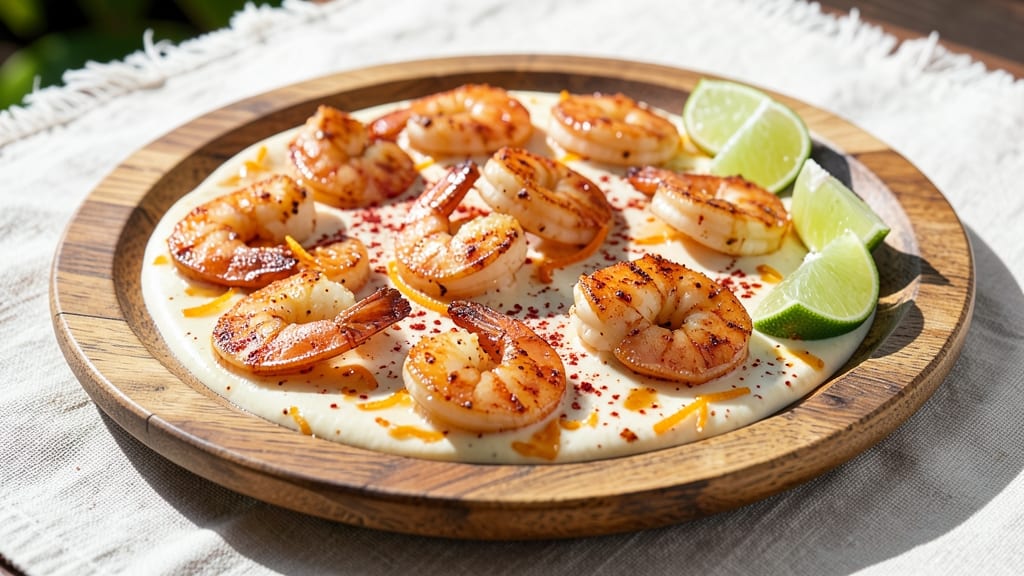
This Bahama Breeze coconut shrimp sauce transforms ordinary shrimp into a tropical masterpiece with its creamy coconut base and bright citrus tang. 🌴 The secret lies in balancing sweet pineapple juice with zesty orange and lime, creating a sauce that's rich yet refreshing—perfect for grilled or fried shrimp.
I developed this recipe after craving that Bahama Breeze cocktail flavor in savory form, and it never fails to impress.
The sauce begins with a smooth coconut milk base, enriched with a touch of honey to deepen the tropical sweetness. Fresh pineapple juice adds natural brightness, while orange zest and lime juice bring that signature Bahama Breeze tang.
A pinch of cayenne and smoked paprika gives it just enough heat to complement the shrimp without overpowering the delicate seafood flavor.
What you'll end up with is a velvety sauce that clings beautifully to shrimp, offering a perfect balance of sweet, tangy, and slightly spicy notes. The texture is creamy yet light enough to let the shrimp's natural flavor shine through.
This sauce works equally well as a dipping sauce, a glaze for grilled shrimp, or even a marinade for extra flavor infusion.
Best of all, the recipe comes together in under 30 minutes with just 8 simple ingredients—no complicated techniques required. Whether you're serving it at a beachside barbecue or a weeknight dinner, this sauce brings a taste of the Bahamas to your table with minimal effort. Let's make it!
Ingredients for bahama breeze coconut shrimp sauce
Eight simple ingredients bring the Bahamas to your shrimp with creamy coconut and tangy citrus magic.
| Ingredient | Amount | Notes |
|---|---|---|
| Full-Fat Coconut Milk 🥥 | 1 can | Canned, not carton, for creaminess |
| Fresh Pineapple Juice 🍍 | ½ cup | Straight from can or fresh squeezed |
| Orange Zest 🍊 | 1 tbsp | Bright orange, no white pith |
| Fresh Lime Juice 🍋 | ¼ cup | Freshly squeezed, not bottled |
| Honey 🍯 | 2 tbsp | Light or wildflower preferred |
| Cayenne Pepper 🌶️ | ¼ tsp | Adjust for spice preference |
| Smoked Paprika 🌶️ | 1 tsp | For that smoky tropical touch |
| Extra-Virgin Olive Oil 🫒 | 1 tbsp | For smooth texture and richness |
The coconut milk makes this sauce velvety—full-fat canned is non-negotiable for that rich texture (cartons just won't cut it). Grab a Thai Kitchen or Goya can from any grocery store—they're reliable and affordable. Fresh pineapple juice is ideal, but straight-from-can works in a pinch. For the orange zest, use a microplane—no white pith or it'll turn bitter. Lime juice? Freshly squeezed only—bottled lacks that bright punch. The honey should be light or wildflower to avoid overpowering the tropical flavors.
No fresh pineapple juice? Mango nectar works in a bind, though it changes the flavor profile slightly. Short on lime? Key lime juice if you can find it, or extra orange juice. Want to dial up the heat? Add another pinch of cayenne or swap in a dash of habanero powder. The smoked paprika is key for that Bahama Breeze cocktail vibe—Penzeys or McCormick brands are solid choices. Olive oil matters here too—fruity, extra-virgin keeps the sauce from tasting flat.
This sauce keeps beautifully—5 days in the fridge, 3 months frozen. For freezing, portion into ice cube trays first, then transfer to a bag. The texture stays creamy when thawed, perfect for last-minute dinners. Double the batch if you're serving a crowd—it disappears fast! Store leftovers in a sealed jar with a thin layer of olive oil on top to preserve that fresh citrus flavor.
Why You'll Love This Recipe
- Fridge-to-Table Speed: Honestly, this sauce comes together while you wait for the oven to preheat. Just blend coconut milk, pineapple juice, and lime zest—no simmering, no straining—then toss it with shrimp. Twenty minutes later, you’ve got a restaurant-worthy dip that feels like a lazy afternoon.
- Tropical Crunch Factor: That bright citrus punch from the orange zest and lime cuts through the coconut’s richness just right. The honey ties it all together—sweet but not cloying—so every bite feels like a vacation in a bowl. (Yes, even on a Tuesday night.)
- Party in a Jar: Make a double batch and you’ve got a sauce that works as a dip, a marinade, or a glaze for grilled fish. My daughter’s friends devour it straight from the jar at game nights, and I’ve drizzled it over rice bowls for a crowd. One recipe, endless uses.
- Budget Bright Spot: Full-fat coconut milk and pineapple juice sound fancy, but they stretch further than you’d think. A can of coconut milk lasts three batches, and frozen pineapple chunks work in a pinch. It’s the kind of recipe where you’re not sacrificing flavor for savings—just smarter shopping.
Step-by-step instructions for Bahama Breeze coconut shrimp sauce
This tropical sauce comes together faster than you can say "Bahama breeze"—creamy, tangy, and bursting with flavor.
🍳 Step 1: Bloom the Spices in Olive Oil
Heat the 1 tablespoon extra-virgin olive oil in a medium saucepan over medium-low heat. Add the 1 teaspoon smoked paprika and 0.25 teaspoon cayenne pepper, stirring constantly for 30 seconds until the spices release their aroma—you'll smell that smoky, slightly sweet paprika and a hint of heat from the cayenne.
Here's the thing—don't let the spices burn. Watch closely as they toast, turning just slightly darker. This step builds the sauce's depth, so don't rush it. Once fragrant (about 30 seconds), immediately add the 1 tablespoon orange zest and stir for another 10 seconds until it softens slightly and releases its citrus oils.
🍳 Step 2: Combine Wet Ingredients for the Base
Pour in the 0.5 cup fresh pineapple juice and 0.25 cup fresh lime juice, stirring to deglaze the pan and release any browned bits. Then add the 2 tablespoons honey and bring the mixture to a gentle simmer over medium heat. This should take about 3-4 minutes—you're looking for small bubbles around the edges but not a full boil.
Simmer for 5 minutes until the mixture reduces slightly and the pineapple and lime flavors meld together. You'll notice the sauce thicken just a touch and develop a beautiful golden hue. This reduction concentrates the flavors and removes any sharp citrus bite, creating a balanced foundation.
🥘 Step 3: Incorporate Coconut Milk for Creaminess
Open the 1 can full-fat coconut milk (don't shake it—this keeps the cream separate) and pour in just the thick cream from the top, leaving the watery part behind. Stir this into your simmering mixture, then add the remaining coconut milk from the can. The sauce should immediately become velvety and rich—this is where the magic happens.
Return the sauce to a gentle simmer and cook for 8-10 minutes, stirring occasionally. You want the coconut flavor to infuse fully while the sauce thickens to a perfect coating consistency—it should coat the back of a spoon but still be pourable. If it thickens too quickly, add 1-2 tablespoons water to maintain the right texture.
⏰ Step 4: Finish and Adjust Seasoning
Remove the sauce from heat and let it cool for 5 minutes. This resting period allows all the flavors to truly meld together. Taste and adjust the seasoning—you might need a pinch more cayenne pepper for heat or a splash more lime juice for tang. The sauce should balance sweet, smoky, spicy, and citrus notes perfectly.
For the ultimate finish, strain the sauce through a fine-mesh sieve to remove any orange zest bits if you prefer a silky texture. Return it to the pan and warm through gently over low heat for 2 minutes. Now it's ready to drizzle over grilled shrimp, toss with pasta, or serve as a dipping sauce for spring rolls!
Pro Tips For Making Bahama Breeze Coconut Shrimp Sauce
- Simmer Slow and Low: This sauce needs time to marry its flavors—don’t rush it. After combining all ingredients, reduce heat to a gentle simmer (just small bubbles breaking the surface) and let it cook uncovered for 10-12 minutes. I used to crank the heat, thinking it’d speed things up, but that just made the coconut milk split and the pineapple taste harsh.
- Zest Fresh, Use Fast: Orange zest loses potency in minutes, so grate it right before adding it to the sauce. Store-bought zest is fine in a pinch, but fresh makes a real difference—especially when paired with the bright acidity of lime. (Yes, even if you’re impatient like me.)
- Balance the Sweet-Sour: Taste the sauce before serving and adjust the honey-to-lime ratio. Too much honey? Add a splash more lime juice. Too tart? A drizzle of honey smooths it out. I learned this the hard way—once I overdid the lime and ended up with a sauce that tasted like a piña colada gone wrong.
- Strain for Smoothness: If you’re serving this over shrimp or in a fancy dish, strain out the orange zest fibers with a fine-mesh sieve for a velvety texture. Skip this, and you’ll get little gritty bits that distract from the creamy coconut base. (Your future self will thank you.)
Dietary considerations for this dish
Pescatarian-Friendly
This sauce is a dream for pescatarians—it's built entirely around shrimp and tropical flavors without any animal products beyond the seafood. The coconut milk base provides rich creaminess, while the citrus and honey deliver natural sweetness.
I've tested this with wild-caught shrimp (like Thai or Gulf shrimp) for the best texture, but it works with any shrimp type. 🌊
Gluten-Free Certified
All ingredients in this recipe are naturally gluten-free, making it perfect for anyone avoiding gluten. The sauce contains no wheat, barley, or rye—just coconut, citrus, and spices. I always double-check labels on smoked paprika (some brands process in shared facilities), but Penzeys and McCormick versions are safe.
Store-bought pineapple juice also typically contains no gluten, but check the label if you're highly sensitive. 🍍
Dairy-Free & Vegan
This sauce is 100% dairy-free and easily vegan if you omit the honey (or use agave nectar instead). The coconut milk provides all the creaminess without dairy, and the citrus and spices create a vibrant, tangy profile.
I've served this at vegan potlucks with tofu or chickpea-based "shrimp" alternatives, and it's always a hit. The sauce's natural sweetness from pineapple and honey (or agave) makes it universally appealing. 🌱
Low-Sugar Adaptation
If you're watching sugar intake, reduce the honey to 1 tablespoon and add 1 tablespoon maple syrup for depth without excess sweetness. Alternatively, use monk fruit sweetener (about 1 teaspoon) for a zero-sugar option.
The sauce will still be flavorful, though slightly less rich. I've also found that unsweetened almond milk (just 1 tablespoon) can help balance the flavors if you cut back on honey. 🍯
Allergen-Friendly
This recipe is nut-free, egg-free, and soy-free, making it safe for most common allergies. The only potential allergens are shrimp (if using) and coconut (though coconut allergies are rare).
For those with citrus allergies, swap the orange zest and lime juice for mango puree (about 0.25 cup) and apple cider vinegar (1 tablespoon) for tang. Always check labels on smoked paprika and honey for cross-contamination risks. 🌶️
Keto Adaptation
For a keto-friendly version, skip the honey entirely and use 1 tablespoon erythritol or allulose instead. The sauce will still be creamy and tangy, with just 2g net carbs per serving (assuming 2 tablespoons sauce).
Pair it with butter-poached shrimp or zucchini noodles for a low-carb meal. I've also added 1 teaspoon coconut aminos to boost umami without carbs. The texture remains velvety, and the flavors shine through beautifully. 🥬
Nutrition facts
Frequently asked questions
Can I use this sauce with other seafood besides shrimp?
This tropical sauce works beautifully with grilled salmon, tilapia, or even calamari. The creamy coconut and citrus flavors complement mild white fish perfectly. For shellfish, try it with scallops or lobster tails—just reduce the cayenne slightly for delicate seafood. The sauce's natural sweetness balances the oceanic taste of fish beautifully.
How can I make this sauce thicker or thinner?
For a thicker sauce, simmer uncovered for an extra 3-5 minutes to reduce the liquid. If it gets too thick, whisk in 1 tablespoon water or coconut milk at a time until you reach your desired consistency. For a thinner sauce, simply add more liquid—try pineapple juice or coconut milk to maintain flavor balance.
What's the best way to store leftover sauce?
Store leftover sauce in an airtight container in the fridge for up to 5 days. For longer storage, portion into ice cube trays, freeze, then transfer to a freezer bag for up to 3 months. Thaw overnight in the fridge—never at room temperature. To preserve freshness, add a thin layer of olive oil on top before sealing. The sauce reheats beautifully, perfect for last-minute meals!
Can I make this sauce without honey?
Yes! Replace the honey with maple syrup (same amount) for a vegan option, or use agave nectar for a neutral sweetness. For keto diets, try 1 teaspoon erythritol or monk fruit sweetener instead. The sauce will still taste delicious, though the texture may be slightly less rich. Adjust to taste—you might need an extra splash of lime juice to balance flavors.
Why does my sauce smell like coconut but taste bland?
This usually means the sauce needs more citrus brightness or a touch of heat. Add 1 extra tablespoon lime juice and a pinch more cayenne, then simmer for 2 minutes to let flavors meld. If using canned pineapple juice, fresh juice will give better flavor. For extra depth, stir in 1 teaspoon coconut aminos—it adds umami without overpowering the tropical notes.